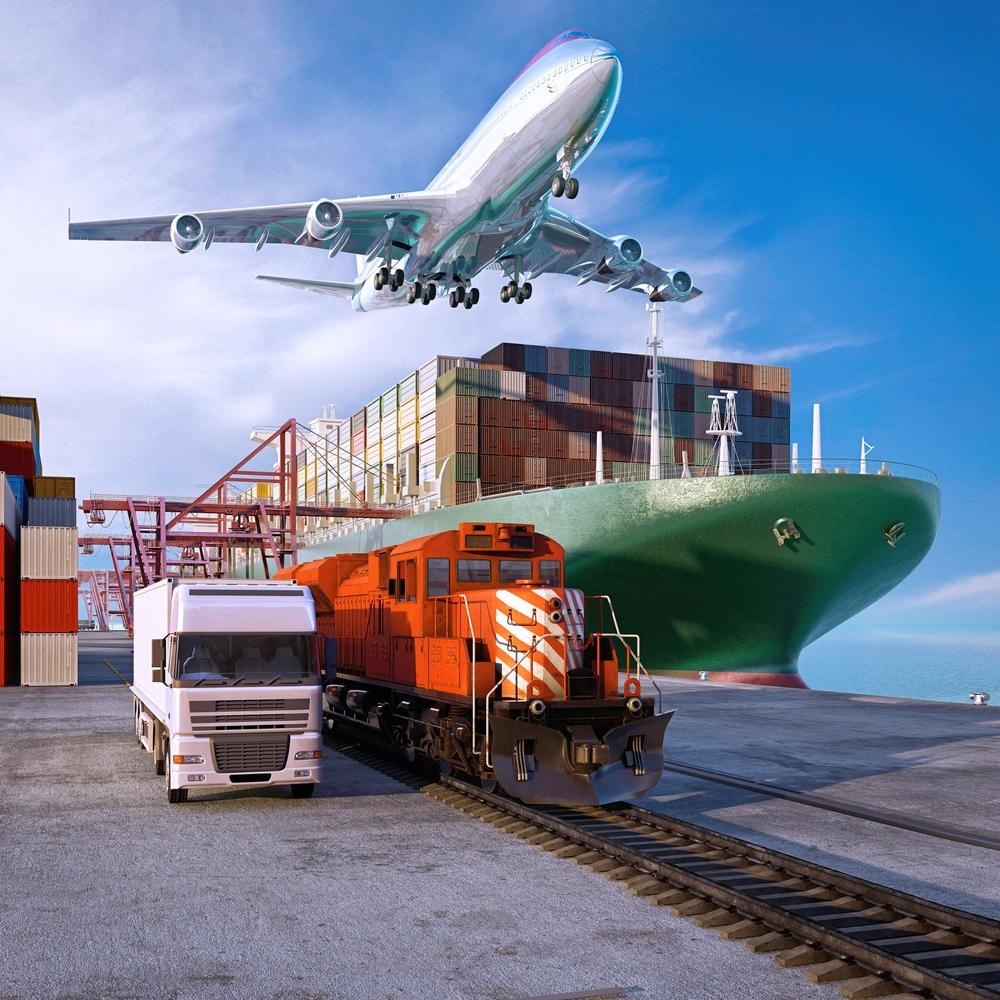
Two businesses can purchase similar products from the same Chinese supplier and still receive different shipping quotations or delivery dates. Differences may come from shipment dimensions, pickup locations, transportation schedules, cargo requirements, or the services included in the agreement. Shipping from China to Pakistan involves several interconnected decisions, and each can affect total cost and the time it takes goods to reach their destination. Understanding these variables helps importers prepare realistic budgets, choose suitable transportation methods, and avoid making purchasing decisions based on incomplete estimates.
1. How Do Cargo Weight and Dimensions Affect Shipping Charges?
The physical characteristics of a shipment are among the first factors that influence its transportation price. Heavy cargo can require greater handling capacity, while bulky but lightweight packages may occupy more space than their weight suggests. This is particularly relevant to air freight, where chargeable weight is generally calculated by comparing actual gross weight with volumetric weight.
Sea freight quotations can depend on shipment volume, weight, container requirements, and the pricing arrangement offered by the carrier. Importers should provide accurate measurements before requesting a quotation. Even small differences between estimated and final dimensions can affect the amount charged, making precise cargo information important for budgeting.
2. Why Does the Choice of Transportation Method Matter?
Air and sea freight serve different commercial needs. Air freight is generally selected when delivery speed is a priority, while sea freight is often considered for larger shipments where a longer journey is acceptable.
The lowest transportation rate does not necessarily represent the lowest overall business cost. A delayed shipment may affect production schedules, stock availability, or planned sales. Conversely, paying for faster transportation may not be worthwhile when products are being imported for future inventory requirements. Importers should compare the transportation price with the financial impact of receiving the goods earlier or later.
3. How Do Supplier Location and Pickup Arrangements Influence Timing?
China's manufacturing and distribution activities are spread across different cities and industrial regions. The distance between a supplier's facility and the selected airport, port, or consolidation warehouse can affect the time and expense required before international transportation begins.
Pickup arrangements also matter. Some suppliers may prepare goods quickly, while others need additional time for manufacturing, inspection, or packing. Businesses should distinguish supplier production time from cargo transit time when planning an order. A quotation covering international freight alone may not include factory collection or every stage of the journey.
4. Can Seasonal Demand Change Shipping Costs and Schedules?
International freight capacity is affected by market demand, carrier schedules, public holidays, and seasonal trading activity. During busy periods, available space may become more limited, and preferred departure dates may be harder to secure.
Chinese holiday periods can also influence factory production and warehouse operations. If goods are not ready before a planned departure, the shipment may need to wait for another available service. Importers can reduce uncertainty by discussing production deadlines with suppliers and arranging transportation in line with the expected cargo-ready date.
5. How Does a China to Pakistan DDP Service Affect the Total Shipping Budget?
A
China to Pakistan DDP service is an arrangement in which the seller is responsible for delivering goods to the agreed destination with import clearance and applicable duties handled under the Delivered Duty Paid term, subject to the agreed contract and the Incoterms rules that apply. The exact services included in a logistics quotation should still be confirmed rather than assumed.
DDP pricing can make budgeting easier when the quotation clearly identifies the destination, delivery scope, and included charges. However, importers should check how duties, taxes, clearance, local delivery, and any exclusions are treated. They should also confirm who acts as the importer of record and whether the proposed arrangement complies with applicable Pakistani import requirements. A clear agreement helps businesses compare DDP with other shipping arrangements on a consistent basis.
6. What Customs and Product Requirements Can Delay a Shipment?
Some products require additional permits, certificates, inspections, or regulatory approvals before they can be imported. Requirements vary according to the product category, applicable Pakistani regulations, and the shipment's declared details.
Incomplete paperwork or inconsistent product descriptions can lead to requests for clarification and additional processing. Importers should establish the relevant requirements before purchasing restricted, regulated, or specially controlled goods. Planning for compliance early is more effective than assuming every shipment will pass through the same clearance process.
7. How Do Shipping Routes and Connections Influence Delivery Dates?
A shipment's route can affect both its cost and arrival time. Air cargo may travel directly or through a connecting airport, while sea freight may involve different ports, vessel schedules, and transshipment arrangements.
A route with a lower quoted price may have a longer scheduled transit period or fewer departure options. Businesses should ask whether the estimated timeline covers only the main international journey or also includes origin handling, transfer time, arrival processing, and onward transportation. Comparing the complete route provides a more useful basis for selecting a service.
8. Why Should Importers Check What a Freight Quotation Includes?
A shipping quotation may cover only the main transportation leg or include a broader range of logistics services. Differences in quotation scope can make two apparently similar prices difficult to compare.
Depending on the arrangement, charges may include or exclude pickup, warehouse handling, export processing, documentation, terminal fees, customs clearance, duties, taxes, storage, and final delivery. Importers should request an itemized explanation and ask which costs could change after the shipment is measured or assessed. This makes it easier to estimate the expected landed cost instead of relying on a headline freight rate.
9. How Can Packaging Decisions Affect Both Cost and Transit Time?
Packaging influences how cargo occupies space, how easily it can be handled, and how well it withstands transportation. Oversized cartons can increase the chargeable volume of a shipment, while insufficient protection can increase the risk of damage and the need for replacement arrangements.
Packaging should be appropriate for the product rather than reduced simply to save space. Fragile, moisture-sensitive, or unusually shaped items may require specific protection. Businesses can ask suppliers to review carton dimensions and packing methods before the final shipment measurements are submitted.
10. What Is the Difference Between Transit Time and Total Delivery Time?
Transit time usually refers to the period cargo spends moving through a particular transportation stage or route. Total delivery time can be longer because the shipment may also require production, collection, warehouse processing, export procedures, arrival handling, customs clearance, and delivery to the final address.
This distinction is important when businesses plan stock replenishment or make delivery commitments to customers. An estimated international transit period should not automatically be treated as a guaranteed door-to-door delivery date. Importers should request estimates for the full journey and clarify which stages are included.
11. How Can Businesses Estimate the True Cost of an Imported Shipment?
The total financial commitment may extend beyond the transportation charge. Depending on the transaction, importers may need to account for the purchase price, origin expenses, international freight, insurance, duties, taxes, clearance, storage, and transportation within Pakistan.
A practical estimate should separate known charges from variable expenses and identify costs that depend on final cargo measurements or customs assessment. This approach helps businesses calculate their expected landed cost and evaluate whether the imported products remain commercially viable after delivery.
Comparing Air Freight and Sea Freight From China to Pakistan
| |
|
|
| Typical Transit Speed |
Faster |
Slower |
| Best Suited For |
Urgent or time-sensitive goods |
Larger or less time-sensitive shipments |
| Pricing Considerations |
Chargeable weight and service level |
Cargo volume, weight, and container arrangement |
| Departure Options |
Depends on route and cargo capacity |
Depends on vessel schedules and available space |
| Planning Needs |
Cargo readiness and flight deadlines |
Earlier planning and longer lead times |
| Main Trade-Off |
Higher transportation cost |
Longer transportation period |
Actual costs and delivery times depend on the route, cargo characteristics, service provider, and shipment conditions. Businesses should obtain current quotations for their specific requirements before making a final decision.
Frequently Asked Questions
1. What is the biggest factor affecting shipping costs from China to Pakistan?
There is no single factor for every shipment. Cargo dimensions, chargeable weight, transportation method, route, and included services can all affect the final price.
2. Is air freight always faster than sea freight?
Air freight is generally faster for the main international journey, but the total delivery time also depends on cargo readiness, handling, connections, clearance, and final delivery.
3. Why can the final shipping price differ from the initial quotation?
The price may change when actual weight or dimensions differ from the estimate, additional services are required, or charges were excluded from the original quotation.
4. Does DDP shipping include customs duties and taxes?
Under the standard Delivered Duty Paid term, the seller is responsible for import clearance and applicable duties and taxes. Importers should verify the contractual scope, destination, and compliance arrangements before agreeing to the service.
5. How can importers reduce unexpected delays?
They can confirm product requirements early, coordinate cargo-ready dates, provide accurate shipment information, check the quotation scope, and allow reasonable time for transportation and clearance.
Conclusion
Shipping costs and delivery schedules between China and Pakistan depend on a combination of cargo characteristics, transportation choices, supplier readiness, seasonal capacity, route selection, and destination requirements. Importers who examine these factors together can prepare more realistic budgets and choose services that fit their commercial priorities. Rather than comparing shipments solely by their quoted freight rate, businesses should evaluate the complete delivery process and understand which services and charges are included. This creates a more dependable foundation for purchasing, inventory planning, and long-term import operations.

 Russian
 English
 Romaian
 Portuguese (Brazil)
 Greek
Greek