Russian
 English
 Romaian
 Portuguese (Brazil)
 Greek

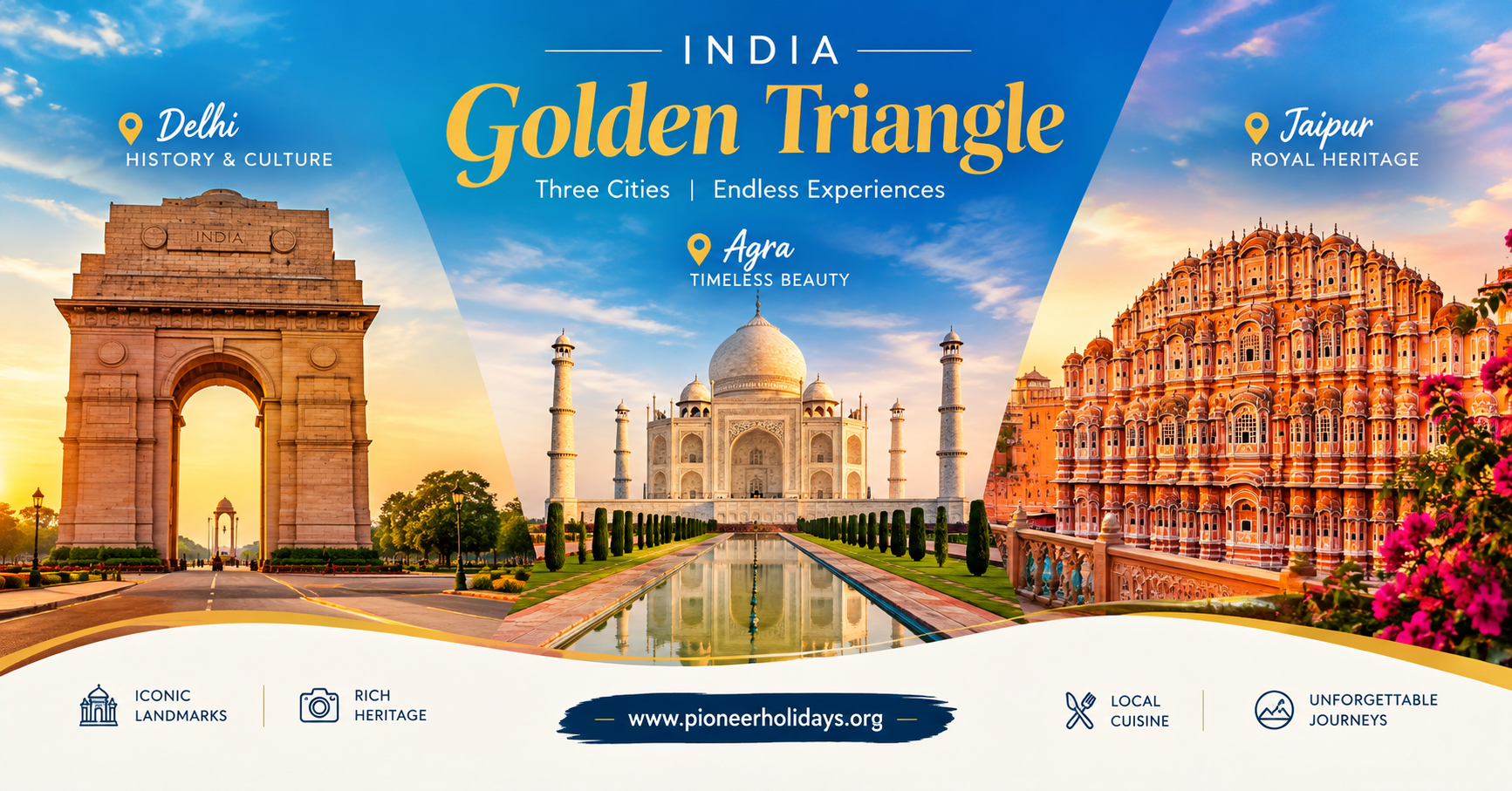
India's Golden Triangle is an excellent choice for international travelers who want to discover the country's history, architecture, food, and traditions in one memorable holiday. Connecting Delhi, Agra, and Jaipur, this popular route combines bustling city life, Mughal monuments, royal palaces, and colorful local markets. However, the best experience depends on how you prefer to travel.
Well-planned Golden Triangle Holiday Packages should reflect your interests, available time, comfort level, and preferred sightseeing pace. Some travelers want to see the major landmarks in a few days, while others prefer leisurely mornings, cultural activities, and time to explore beyond the usual attractions. With a thoughtful itinerary, you can make the journey suit your expectations rather than simply following a fixed schedule.
1. Start by Identifying Your Travel Interests
Before deciding how many days to spend in each city, consider what you most want to experience.
History enthusiasts can explore Delhi's Red Fort and Humayun's Tomb, admire the Taj Mahal and Agra Fort, and discover Jaipur's Amber Fort and City Palace. These landmarks provide insight into India's Mughal and Rajput heritage.
Travelers interested in food and local culture may prefer guided market walks, traditional meals, and opportunities to observe everyday life. Delhi's Chandni Chowk, Agra's local food scene, and Jaipur's traditional bazaars offer different perspectives on regional culture.
Photography enthusiasts might prioritize the Taj Mahal at sunrise, Jaipur's distinctive architecture, and the historic streets of Old Delhi. Meanwhile, families may value shorter sightseeing sessions, comfortable transfers, and enough breaks to keep the trip enjoyable.
Make a short list of your priorities before booking. This helps you avoid spending too much time on attractions that do not match your interests.
2. Choose an Itinerary That Matches Your Travel Pace
The number of days available has a major influence on the quality of your experience. Although it is possible to visit all three cities quickly, travel time, hotel check-ins, and attraction opening hours must be considered.
A 2 Days Golden Triangle Tour suits travelers with very limited time, but it requires a demanding schedule and careful selection of attractions. A 3 Days Golden Triangle Tour provides a little more time while still focusing on the main highlights.
For a more balanced holiday, a 4 Days Golden Triangle Tour or 5 Days Golden Triangle Tour can allow additional sightseeing and less hurried transfers.
If you prefer a relaxed schedule, a 6 Days Golden Triangle Tour gives you more opportunities to explore local neighborhoods, enjoy meals without rushing, and take breaks between major attractions.
Practical tip: Do not plan every hour in advance. Leave some room for traffic, unexpected delays, weather changes, and spontaneous discoveries.
3. Personalize Your Route With Additional Destinations
The classic Golden Triangle offers plenty to explore, but travelers with extra time can extend the journey according to their interests.
-
Wildlife: A Golden Triangle Tour with Ranthambore combines historic cities with the possibility of a tiger safari. Wildlife sightings are never guaranteed, so plan around the overall nature experience rather than a specific animal encounter.
-
Spiritual traditions: A Golden Triangle Tour with Varanasi introduces visitors to sacred riverfront ghats, temples, and long-standing religious traditions.
-
Sikh heritage: A Golden Triangle Tour with Amritsar adds the Golden Temple and important historical sites.
-
Lakes and royal architecture: A Golden Triangle Tour with Udaipur offers lakeside scenery, palaces, and a slower atmosphere.
-
Rajasthan's historic cities: A Golden Triangle Tour with Jodhpur and Udaipur allows more time to explore regional architecture and traditions.
-
A broader regional experience: A Golden Triangle Tour with Rajasthan provides more scope for discovering the state's historic towns and cultural heritage.
-
Temples and desert-state culture: A Golden Triangle Tour with Pushkar and Jodhpur combines Pushkar's religious significance with Jodhpur's distinctive blue-painted neighborhoods.
When adding destinations, consider the time needed to reach each place. An extra city is worthwhile only if you can experience it without making the entire holiday exhausting.
4. Select Transport and Accommodation for Comfort
Transport choices can shape your daily experience. Private car travel offers flexibility for sightseeing stops and door-to-door transfers, making it useful for families, couples, and travelers who prefer a personalized schedule.
Trains can be a practical alternative between selected cities, particularly when a suitable service matches your itinerary. However, remember to account for station transfers, boarding time, luggage, and local transport after arrival.
Accommodation also deserves careful consideration. Staying near your main sightseeing areas may reduce daily travel, while a hotel with reliable transport arrangements can simplify early departures. Compare location, reviews, cancellation conditions, and included services rather than choosing on price alone.
For international visitors, it is sensible to confirm airport transfers, payment arrangements, entry requirements, and travel insurance before departure.
5. Plan Around the Season and Local Conditions
October through March is generally a popular period for visiting Delhi, Agra, and Jaipur because temperatures are often more comfortable for sightseeing. However, winter fog can affect visibility and transport schedules, particularly in northern India.
Summer can bring intense heat, so outdoor visits are often more comfortable early in the morning. During the monsoon, rain may affect road conditions and sightseeing plans.
Check monument opening hours and ticket rules before visiting. The Taj Mahal, for example, is generally closed to visitors on Fridays, so organize your Agra schedule accordingly.
Also, respect local customs at religious sites, follow photography restrictions, and wear comfortable walking shoes. Small preparations can prevent unnecessary stress during a busy travel day.
For further itinerary ideas, compare the options available from Pioneer Holidays with your interests, travel dates, and preferred pace before making a decision.
Frequently Asked Questions
How many days are ideal for a Golden Triangle holiday?
Four to six days is a useful starting point for many travelers. Shorter trips can cover major landmarks at a faster pace, while longer holidays allow time for local experiences and additional destinations.
Can I customize the Golden Triangle route?
Yes. You can prioritize history, food, shopping, architecture, wildlife, or spiritual experiences. Your route should reflect your interests, budget, and available time.
What is the best time to visit Delhi, Agra, and Jaipur?
October through March is generally suitable for sightseeing, although winter fog and busy holiday periods can affect travel. Summer visitors should plan outdoor activities around the cooler hours of the day.
Conclusion
Planning Golden Triangle Holiday Packages around your interests and travel pace helps you experience India in a way that feels comfortable and rewarding. Whether you prefer historic monuments, local food, royal architecture, wildlife, or spiritual traditions, the key is to choose a realistic itinerary and allow enough time to appreciate each destination.
Instead of trying to see everything, focus on the experiences that matter most to you. With suitable transport, thoughtful accommodation choices, and a flexible schedule, your journey through Delhi, Agra, and Jaipur can become a memorable introduction to India's cultural diversity.