Russian
 English
 Romaian
 Portuguese (Brazil)
 Greek
Greek

Plant Based Milk Powder Market Outlook: Nutrition Meets Everyday Convenience
Food |
2026-09-09 08:52:06
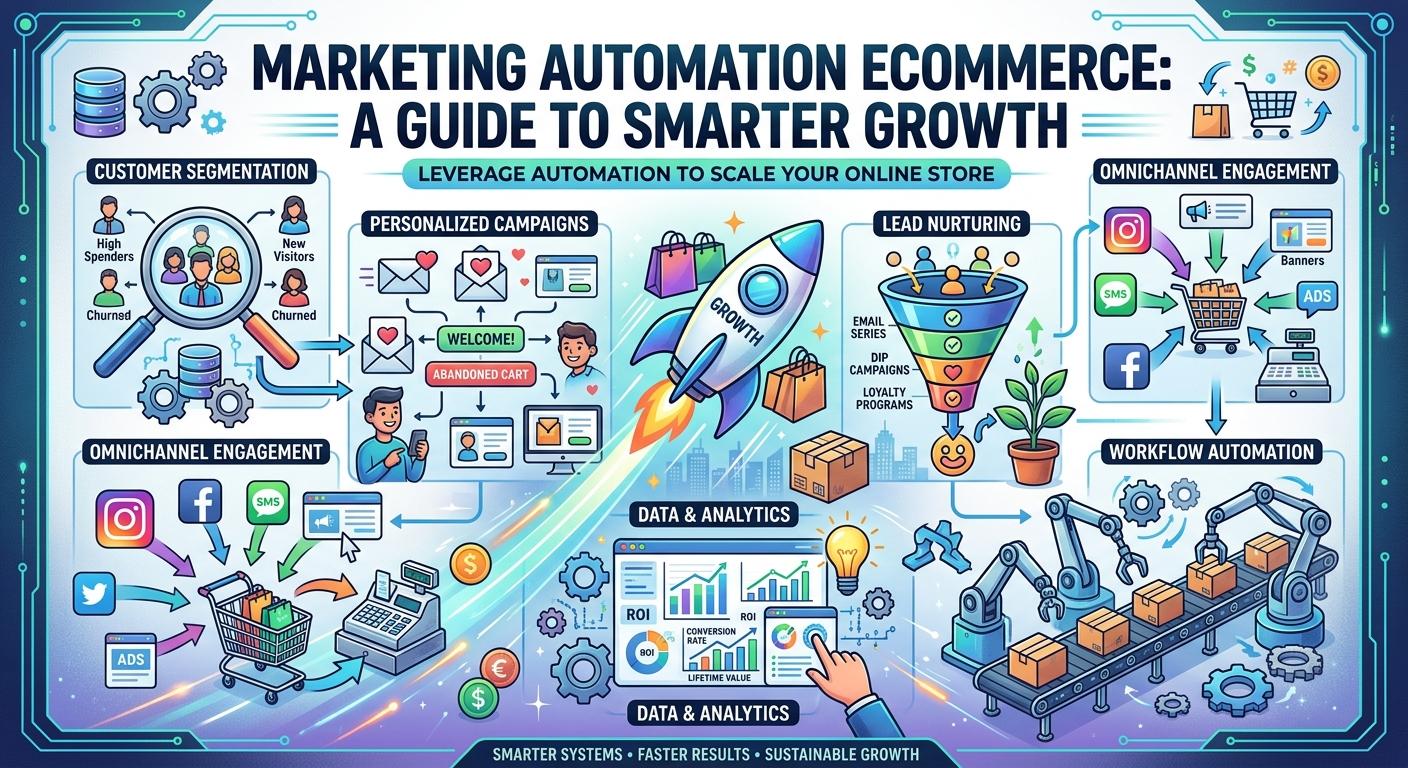
Ecommerce businesses handle many marketing tasks every day. They need to communicate with customers, promote products, recover abandoned carts, manage customer data, and build long-term relationships. When these tasks are handled manually, they can take a lot of time and may lead to missed opportunities. Ecommerce marketing automation provides tools that help online stores manage these tasks through simple and planned workflows.
The main purpose of automation is to reduce repeated work while helping businesses communicate with customers at the right time. Modern automation platforms include many features that can support different parts of an online marketing process. Understanding these features can help businesses choose the right tools for their needs.
Automated email campaigns are one of the main features of ecommerce marketing automation. Businesses can create emails that are sent automatically when customers take certain actions.
For example, a new subscriber can receive a welcome email after joining a mailing list. A customer can receive a thank-you message after making a purchase. Businesses can also create email series for product updates, promotions, and customer follow-ups.
This feature saves time because marketing teams do not need to send every message manually.
Customer segmentation allows businesses to divide their audience into different groups. These groups can be based on purchase history, interests, website activity, location, or customer status.
For example, a store can create separate groups for new customers, repeat buyers, and inactive customers. Each group can receive messages that are more suitable for its needs.
With marketing automation ecommerce tools, customer groups can also update automatically when customer behavior changes. This makes marketing more focused and organized.
Abandoned cart recovery is an important feature for online stores. Many shoppers add products to their carts but leave before completing their purchases.
Automation can detect these abandoned carts and send reminders after a selected amount of time. The reminder can include the products that were left behind and a link back to the checkout page.
Ecommerce marketing automation makes this process easier because businesses do not need to track abandoned carts manually. The system can manage the process based on predefined rules.
Personalization helps businesses show customers products that may match their interests. Automation platforms can use browsing history, previous purchases, and product views to create relevant recommendations.
For example, a customer who buys a phone may receive suggestions for a phone case or charger. A customer who often views sports products may receive updates about similar products.
This feature makes product discovery easier and can help businesses create a more useful shopping experience.
Customer behavior tracking is another important feature of marketing automation ecommerce systems. These platforms can collect information about customer actions on a website and through marketing channels.
Businesses may track product views, email clicks, purchases, cart activity, and other actions. This information can help teams understand what customers are interested in.
The collected data can also trigger automated actions. For example, viewing the same product several times may start a product reminder email.
Customer journey automation allows businesses to create a series of actions for different stages of the buying process. A customer can receive different messages depending on what they do.
A new visitor may first receive a welcome message. After making a purchase, the customer may receive an order follow-up. Later, the system may send a product recommendation or review request.
Ecommerce marketing automation helps connect these steps into one organized journey. This can make customer communication more consistent.
Good communication should continue after a customer places an order. Automation platforms can send order confirmations, delivery updates, product information, and review requests.
These messages help customers understand what is happening with their orders. They can also help businesses stay connected after a sale.
Post-purchase automation can include recommendations for related products when appropriate. This can help businesses create more opportunities while keeping the customer informed.
Some ecommerce businesses collect leads through newsletters, forms, promotions, or other channels. Automation can help organize these contacts and track their activity.
A lead may receive different messages based on how they interact with the business. Someone who has only signed up may receive basic information, while a person who has shown strong interest may receive more product-focused communication.
Marketing automation ecommerce tools can help businesses manage these contacts without keeping separate manual records for every person.
Modern customers use different communication channels. They may interact with a business through email, SMS, websites, and social media.
Many automation platforms allow businesses to manage more than one channel from a connected system. This helps businesses create a more consistent customer experience.
For example, a customer may receive an email about a sale and later receive an SMS reminder. Businesses can control the timing so customers are not contacted too often.
SMS automation allows online stores to send text messages based on customer actions or planned campaigns. These messages can be used for order updates, promotions, cart reminders, and other useful communication.
Because SMS is a direct channel, businesses need to use it carefully. Customers should receive messages that are useful and relevant.
When used correctly, SMS can work alongside email as part of a wider ecommerce marketing automation strategy.
Customer feedback can help businesses understand how buyers feel about their products and services. However, customers may forget to leave reviews after receiving an order.
Automation can send review requests after a suitable period. The system can choose when to send the message based on the order date or product type.
This makes it easier for businesses to collect feedback without asking employees to contact customers one by one.
Analytics and reporting are key features because businesses need to know whether their campaigns are working. Automation platforms can provide data about emails, clicks, customer activity, sales, and other results.
These reports help marketing teams understand which campaigns are performing well. They can then make changes to messages, timing, customer groups, or offers.
Regular reporting allows businesses to improve their marketing automation ecommerce strategy based on real results instead of guesswork.
A workflow builder allows businesses to create automated processes using simple rules. For example, a business can set a rule that sends a welcome email whenever a new customer joins the mailing list.
More advanced workflows can include several steps. A customer may receive one email, wait for a certain period, and then receive another message depending on whether they opened the first one.
This feature gives businesses control over how their automated campaigns work.
Integration is an important feature when choosing an automation system. An automation tool should be able to connect with the ecommerce platform and other systems used by the business.
Good integration allows customer data, orders, products, and marketing activity to work together. This reduces the need to move information between different systems manually.
For larger stores, strong integration can make ecommerce marketing automation much easier to manage.
Ecommerce Automation Companies provide software and services that help online businesses use these features. Their platforms may include email marketing, customer segmentation, abandoned cart recovery, analytics, SMS, product recommendations, and other tools.
Different Ecommerce Automation Companies offer different features and pricing options. Businesses should compare the available tools based on their size, goals, budget, and existing technology.
A simple platform may be enough for a small store, while a larger ecommerce business may need a system with advanced workflows and multi-channel support.
The features of ecommerce marketing automation include automated emails, customer segmentation, abandoned cart recovery, product recommendations, behavior tracking, customer journeys, post-purchase communication, analytics, workflow building, and system integration.
A strong marketing automation ecommerce system can reduce repeated work and help businesses communicate with customers in a more organized way. Ecommerce Automation Companies can provide the technology needed to build these systems, but businesses still need clear goals and regular monitoring.
When the right features are selected and used properly, automation can save time, improve customer communication, support sales, and create a smoother experience for online shoppers.
More info: Amg Innovative