Russian
 English
 Romaian
 Portuguese (Brazil)
 Greek

How Recovery Progresses After a Liposuction Procedure
Health |
2026-09-03 05:32:33
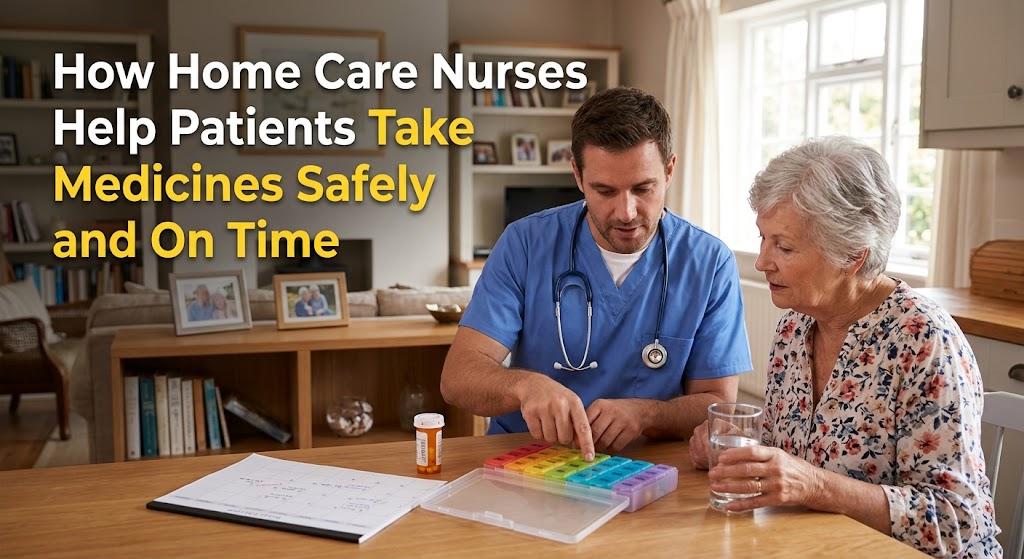
Taking medicines correctly is one of the most important parts of recovery, yet it is also one of the easiest to get wrong at home. Missed doses, confusing instructions, and overlapping prescriptions affect many families. This blog explains how home care nurses make medication routines safer, simpler, and far more reliable.
Medicines work only when taken in the right dose, at the right time, and in the right way. At home, patients often manage this alone or depend on busy relatives. Small mistakes can weaken treatment, cause side effects, or trigger emergencies, which makes careful, professional supervision extremely valuable.
Many households deal with skipped doses, doubled tablets, confusion between similar-looking medicines, and antibiotics stopped too early. Poor eyesight, memory loss, and unclear prescriptions make these problems worse. Without trained supervision, such errors often go unnoticed until the patient’s condition suddenly worsens or fails to improve as expected.
A home care nurse begins by carefully reviewing every prescription. They confirm the medicine name, dose, timing, and duration, and clarify anything unclear with the doctor. This step removes guesswork and ensures the patient and family clearly understand why each medicine is prescribed and how it should be taken.
Nurses build simple daily schedules that show exactly which medicine to take in the morning, afternoon, and night. They note whether each tablet should be taken with food or on an empty stomach. A written chart or labelled organiser makes routines easy to follow, even for elderly patients.
Nurses measure doses accurately and give them at the scheduled times, whether tablets, syrups, drops, or inhalers. They double-check each medicine before administering it, which sharply reduces the chance of errors. Reliable timing keeps medicine levels steady in the body, helping treatment work as the doctor intended.
Some treatments cannot be taken by mouth. Trained nurses safely give injections, insulin, IV fluids, and antibiotics at home using sterile equipment. They rotate injection sites, verify doses, and watch for allergic reactions, saving patients from repeated hospital trips while maintaining strict clinical safety standards throughout the treatment course.
Patients taking several medicines, especially older adults, face a higher risk of harmful interactions. Nurses review the complete list, including over-the-counter drugs and herbal products, and alert the doctor to possible conflicts. This simple review prevents dizziness, falls, stomach problems, and other avoidable complications before they become serious.
Every medicine can cause side effects, ranging from mild nausea to serious allergic reactions. After doses, nurses check blood pressure, pulse, blood sugar, and general condition. If anything seems wrong, they inform the treating doctor immediately, preventing small problems from developing into emergencies that might require urgent hospital admission.
Patients with dementia, stroke, or memory loss often forget doses or refuse tablets. Nurses use patience, gentle encouragement, and consistent routines to ensure medicines are taken. They stay with the patient until the dose is swallowed, protecting against accidental overdose or missed treatment throughout the day.
Diabetes, hypertension, heart disease, and asthma require lifelong medication discipline. Nurses track readings, ensure doses are never skipped, and encourage healthy eating habits. Consistent follow-up keeps these conditions stable, reduces complications, and lowers the chances of sudden hospitalisation, allowing patients to enjoy a better quality of life.
The first weeks after discharge are risky because new prescriptions often replace older ones. Nurses compare discharge papers with medicines already at home, remove outdated items, and explain every change clearly. This careful reconciliation lowers confusion, supports recovery, and reduces the likelihood of returning to the hospital.
Nurses document every dose given, every reading taken, and any unusual symptoms observed. These records give doctors a clear picture of how the patient is responding to treatment. Accurate documentation also helps families stay informed and makes follow-up appointments more productive, because decisions are based on facts instead of memory.
Heat, moisture, and sunlight can reduce the strength of medicines, especially during Lahore’s hot summers. Nurses advise storing tablets in cool, dry places, keeping insulin refrigerated, and checking expiry dates regularly. They also help remove expired medicines, keeping children and vulnerable relatives safe from accidental consumption.
Good nurses do not only provide care; they also educate. They explain what each medicine does, which warning signs to watch for, and what to do after a missed dose. Informed relatives become confident partners in care, able to notice problems early and ask better questions during medical appointments.
Many patients feel anxious about taking numerous medicines or fear side effects. A calm, trained nurse answers questions patiently, builds trust, and encourages consistency. This emotional support improves cooperation with treatment, and family members feel relieved knowing a capable professional is looking after the patient’s daily medication needs.
Unopened tablet strips, confusion about doses, sudden drowsiness, repeated missed appointments, and unexplained worsening symptoms are warning signs. Frequent falls or refusing medicines also point to a problem. Arranging professional help early can prevent complications and restore safe, dependable routines for the patient and the entire family.
Need dependable help with medicines? Book homecare services in Lahore via Instacare for qualified nurses who manage prescriptions, injections, and monitoring at your doorstep. Share the patient’s needs, choose a convenient schedule, and receive compassionate, affordable support so your family can focus calmly on recovery and wellbeing.
Home care nurses do far more than hand out tablets. They verify prescriptions, prevent errors, monitor reactions, and keep treatment on track. For families in Lahore, professional medication support brings safety, comfort, and confidence, helping patients recover well and stay healthier in the familiar surroundings of their own homes.
1. How do home care nurses help with medicines?
They review prescriptions, prepare correct doses, give medicines on time, monitor side effects, and keep records for the doctor.
2. Can nurses give injections and IV medicines at home?
Yes. Qualified nurses can give prescribed injections, insulin, and IV therapy at home using sterile equipment and proper safety checks.
3. Who benefits most from medication support at home?
Elderly patients, people with chronic illnesses or memory problems, and those recently discharged from hospital benefit the most.
4. Do I need a prescription for a nurse to give medicines?
Yes. Nurses administer medicines as prescribed by a doctor, so a valid prescription ensures the correct and safe care plan is followed.
5. How can I book a nurse through Instacare?
Contact Instacare, share the patient’s condition and medication needs, choose a schedule, and a suitable professional will be arranged for you.