Russian
 English
 Romaian
 Portuguese (Brazil)
 Greek
Greek

Medical Drones Market Size, Share, and Trends Analysis by 2032
Health |
2026-07-02 06:08:21
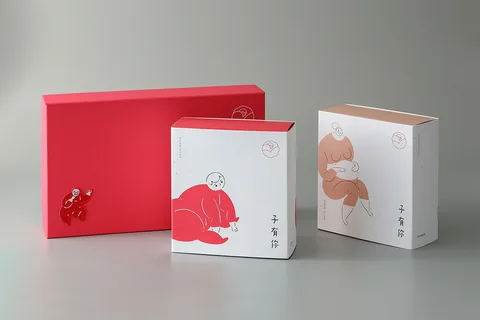
Book Style Rigid Boxes suit brands that want a polished, hinged reveal for a hero product. Collapsible Rigid Boxes suit brands that need to save on storage and freight while still looking premium. The better pick often depends less on taste and more on how big your business is right now.
Most packaging advice treats every brand the same. In reality, a studio shipping fifty orders a week and a company shipping five thousand face very different problems. The first worries about making a strong impression with limited stock. The second worries about warehouse space, freight bills and how quickly the team can pack.
The impression part is worth taking seriously. In a survey by Ipsos for Shorr Packaging, 72 percent of American consumers said package design influences their buying decisions. Packaging is not decoration. It is part of how people judge what you sell.
So instead of asking which box is better, ask which one fits the problem you have today.
When you are new, nobody knows your name yet, and the box is often the first thing a customer remembers. Book Style Rigid Boxes work well here because the opening feels like a small event. The front flap swings away on a spine, a magnetic closure clicks, and the product sits framed inside. Many new brands also print a thank you note or a short brand story on the inside flap, which turns the box into a free storytelling space.
The catch is volume. These boxes arrive fully formed, so a small order can still take up a surprising amount of room in a spare closet or a shared studio. Ask for a sample first, open it many times and check that the hinge and closure still feel firm. A weak hinge is easy to spot and hard to forgive.
Once orders climb, your boxes stop being a design question and start being a logistics question. Collapsible Rigid Boxes ship flat, so a single carton holds many more units than the same carton of fully assembled boxes. That reduces freight charges, frees up shelf space and makes reordering less stressful. For a growing brand juggling cash flow, saving on air in a shipping container is one of the easiest wins available.
Someone has to fold and set each box before it is packed. That takes only a few seconds per unit, but across thousands of orders it adds up. If you use a fulfillment partner, check whether they charge for assembly. If you pack in house, test how long it takes a new team member to build ten boxes. Collapsible Rigid Boxes only save money when the assembly time is planned for.
Holiday rushes and corporate gifting campaigns create a different kind of pressure. Demand arrives in a burst, deadlines are fixed and storage space disappears fast. For these runs, Collapsible Rigid Boxes are often the practical choice because you can receive a large quantity in a compact form and assemble only what you need as orders arrive.
That does not mean the hinged option has no place in a peak season. Many brands use Book Style Rigid Boxes for a limited premium edition or a top tier gift set, and use a flat folding style for the larger volume line. Splitting the range this way keeps the showpiece feeling special without making the whole program expensive.
Use these quick prompts to see which way you lean:
If your answers split evenly, order samples of both and test them with your real product. A box that looks perfect in a mockup can behave very differently once a heavy bottle or a stack of cards goes inside.
Yes. Good wrap paper, clean printing and a well chosen finish such as foil or embossing carry most of the premium feeling. The fold lines are subtle, and most customers barely notice them once the box is set up.
Usually yes. An insert keeps the product from shifting, and it is what makes the inside look intentional. Plan it together with the box so the internal measurements are correct from the start.
Absolutely. Many brands pair a hinged hero box with a flat folding box for refills, bulk gifting or seasonal stock. As long as the colors, logo and finishes match, customers see one consistent identity.
Packaging decisions get easier when you stop chasing the perfect box and start solving the problem in front of you. A new brand with a small run and a hero product may want the drama of a hinged reveal. A growing brand with limited space and rising freight costs may care more about shipping flat. Take stock of your stage, request samples, and pick the format that makes your product look its best without straining your budget or your team