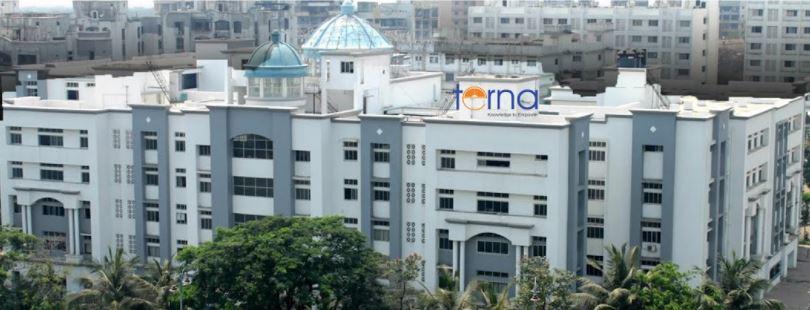
Meet the Team Enhancing Employability at Terna Engineering College
Other |
2026-04-21 09:45:02
 Russian
 English
 Romaian
 Portuguese (Brazil)
 Greek
The future development of the European syngas industry will depend on the interaction between established industrial demand, energy security priorities, technological progress, and decarbonization efforts. Syngas remains a valuable intermediate for producing chemicals, hydrogen, and synthetic fuels, while its flexible production routes provide opportunities to use different feedstocks according to local availability and commercial requirements.
One potential growth area is the integration of syngas production with lower-emission industrial processes. Producers may explore biomass-based gasification, suitable waste-derived feedstocks, and fossil-based production systems equipped with carbon capture where technically and economically viable. The performance of these approaches will depend on lifecycle emissions, feedstock sustainability, operating costs, and the availability of infrastructure.
The Europe syngas market may also benefit from demand for methanol, hydrogen, and other chemical intermediates used across industrial supply chains. Chemical manufacturers and energy-intensive businesses need reliable inputs, creating opportunities for syngas facilities that can deliver consistent product quality and competitive operating performance. Industrial clusters may offer additional advantages through shared utilities, transportation links, and potential carbon management infrastructure.
Technological innovation will remain important. Improvements in gasification, reforming, purification, process control, and heat recovery could help operators improve efficiency and manage production costs. Carbon capture may also be considered in suitable facilities, although its adoption will depend on capital requirements, energy consumption, storage access, and regulatory conditions.
Despite these opportunities, the industry must navigate several challenges. Volatile natural gas and electricity prices can affect project economics, while high construction costs and complex permitting processes may delay new capacity. Competition from alternative hydrogen production routes and other low-carbon technologies may influence which syngas projects receive investment. Feedstock supply and downstream demand must also remain sufficiently stable to support long-term operation.
Country-level conditions will shape development across Europe. Industrial capacity, energy infrastructure, environmental policy, access to raw materials, and customer demand vary between markets. Consequently, investment strategies are likely to differ according to national circumstances rather than follow a single regional model.
Overall, syngas is likely to remain relevant to Europe’s chemical and industrial energy landscape, but the direction of growth will depend on practical commercial conditions. Producers that combine efficient technology, reliable feedstock sourcing, strong customer relationships, and transparent emissions management may be best placed to adapt to the region’s evolving industrial priorities.