What Should You Know About Expert Sod Installation in Buford, GA?
Home |
2026-10-16 17:48:12
 Russian
 English
 Romaian
 Portuguese (Brazil)
 Greek
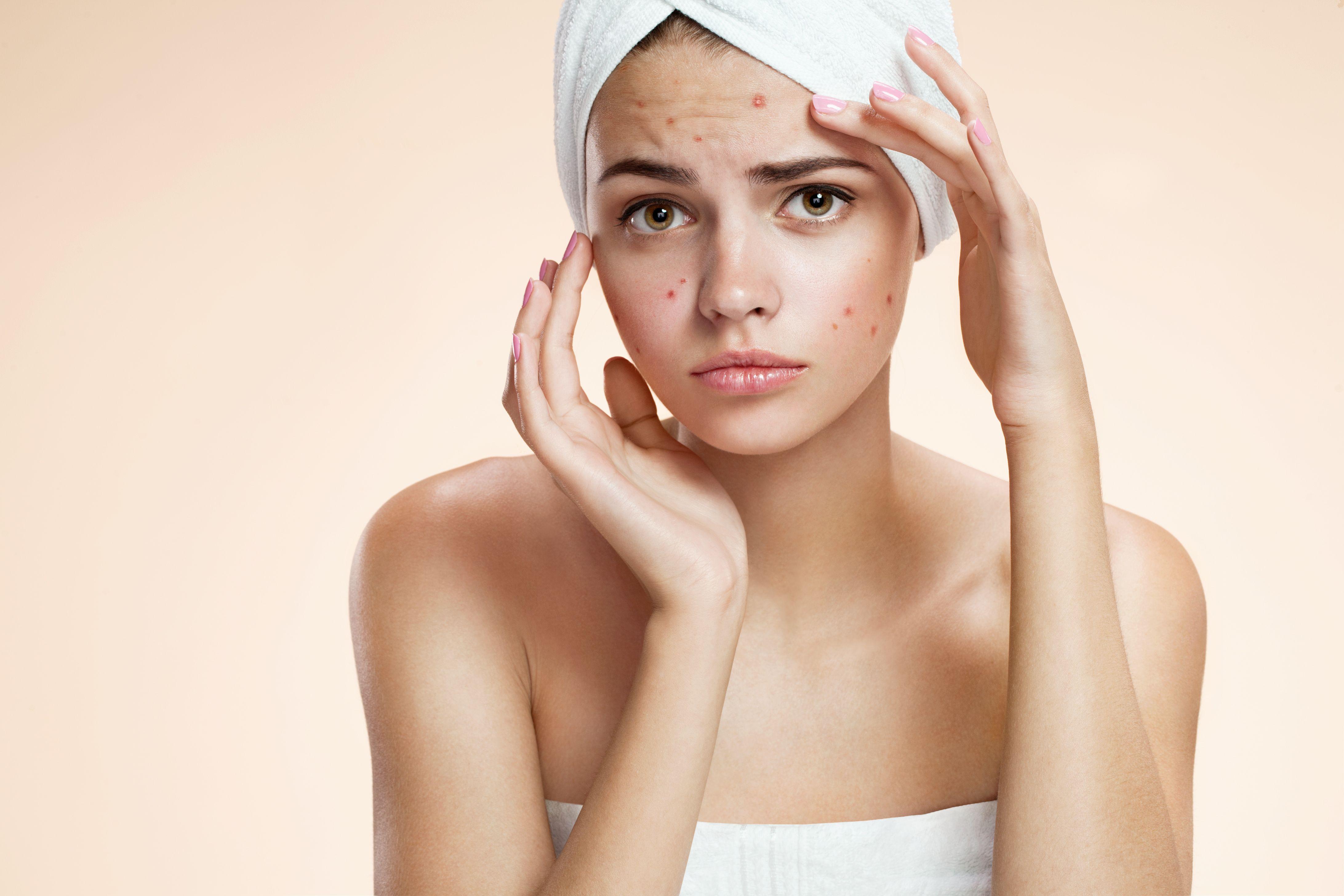
Acne scars can affect skin texture, facial appearance, and personal confidence long after active acne has disappeared. For many people, these marks are a lasting reminder of previous breakouts, making it difficult to achieve a smoother and more even complexion. Advances in dermatological technology have introduced several approaches to improving the appearance of acne scars, including laser-based skin resurfacing and collagen-stimulating treatments. Understanding how these procedures work, which scars may respond best, and what to expect during recovery can help individuals make informed skincare decisions. Laser Acne Scar Treatments in Riyadh are an important topic for people exploring modern options for improving uneven skin texture and reducing the visibility of acne-related scarring.
Acne scars develop when inflammation associated with acne damages the skin and affects its natural healing process. Deep pimples, inflamed cysts, and persistent breakouts can damage collagen and other supporting structures within the skin. When the healing process produces insufficient collagen, depressions may form. Excess collagen production can instead contribute to raised scars. Not every mark left by acne is a permanent scar; some are temporary changes in pigmentation that gradually fade over time.
Atrophic scars appear as depressions in the skin and are commonly associated with collagen loss. Ice pick scars are narrow and deep, boxcar scars have defined edges, and rolling scars create a wave-like appearance. Hypertrophic scars and keloids are raised scars that develop when excess collagen accumulates during healing. Post-inflammatory hyperpigmentation produces flat, dark marks rather than structural scars. Identifying the type of scarring is essential because different concerns may require different treatment approaches.
Laser treatments use controlled light energy to target specific structures within the skin. Depending on the technology, a laser may remove microscopic portions of the skin's surface, create controlled thermal changes beneath it, or stimulate the body's natural repair response. These processes encourage collagen remodeling, which can gradually improve skin texture and soften the appearance of certain scars. Results develop over time as the skin heals and produces new collagen.
Ablative lasers remove very small layers of damaged skin while stimulating the production of new tissue. They may be considered for selected textural scars, although they typically involve more downtime and require careful aftercare. Non-ablative lasers deliver heat into deeper skin layers without removing the entire surface. These treatments may involve less recovery time but can require multiple sessions. The most appropriate technology depends on scar depth, skin characteristics, treatment goals, and the risk of unwanted pigmentation.
Not all acne scars respond equally to laser therapy. Shallow boxcar scars and certain rolling scars may improve with resurfacing or collagen-stimulating procedures. Deep ice pick scars may respond less predictably to laser treatment alone and sometimes require complementary techniques. Raised scars also need a different approach because treatments designed to stimulate collagen may not be suitable for every raised-scar condition. A qualified dermatologist can assess the scar pattern and determine whether laser treatment is appropriate.
Skin tone is an important factor when selecting a laser procedure. Medium to darker skin tones may have a greater risk of post-inflammatory hyperpigmentation after treatments that cause significant inflammation or heat exposure. This does not automatically rule out laser treatment, but it makes careful device selection, appropriate energy settings, and professional assessment particularly important. A clinician may recommend a test spot or alternative procedure when the risk of pigmentation changes is a concern.
Laser procedures may improve several visible features of acne-scarred skin. By encouraging collagen remodeling and resurfacing selected areas, they can help soften uneven textures and make certain scars less noticeable. Some technologies may also improve the appearance of enlarged pores, fine lines, and uneven pigmentation. However, results vary according to the type and severity of scarring, the treatment method, and the individual's healing response. Complete removal of every acne scar cannot be guaranteed.
Collagen is a structural protein that helps maintain the skin's firmness and support. Certain laser treatments stimulate the body's wound-healing response, encouraging new collagen formation over time. This process may gradually soften depressed scars and improve skin texture. Because collagen remodeling is not immediate, visible changes can continue developing over several weeks or months. Maintaining realistic expectations is essential when considering any treatment intended to improve established acne scars.
Before treatment, a dermatologist generally examines the skin, reviews the history of acne and previous procedures, and evaluates the type of scarring. The clinician may ask about medications, recent sun exposure, active acne, previous cold sores, and any history of abnormal scarring. These details help determine whether treatment is suitable and whether precautions are necessary. The skin may be cleansed before a topical numbing product is applied, depending on the selected laser and the anticipated discomfort.
During the session, the clinician uses the selected device to deliver controlled laser energy to the treatment area. Patients may experience warmth, tingling, or a snapping sensation, depending on the technology. Protective eyewear is essential to safeguard the eyes from laser exposure. The duration of a session varies according to the size of the treatment area and the type of procedure. The clinician should explain expected sensations, possible side effects, and aftercare instructions before beginning.
Recovery depends on whether the procedure is ablative or non-ablative and how intensively the skin is treated. Temporary redness, swelling, sensitivity, dryness, or mild peeling may occur. More intensive resurfacing can involve crusting and a longer healing period. Following the clinician's instructions helps protect the skin while it recovers. Patients should avoid picking, scratching, or prematurely removing peeling skin because these actions may increase the risk of irritation, infection, and scarring.
Sun protection is especially important after laser treatment because healing skin can be more vulnerable to pigmentation changes. Patients should follow professional advice about when to resume sunscreen and which formulation to use. Gentle cleansing, suitable moisturizers, and avoiding harsh exfoliants can help minimize irritation. Retinoids, acids, and other active skincare ingredients should only be restarted according to the treating clinician's guidance. Unexpected worsening pain, spreading redness, pus, or fever warrants prompt medical assessment.
Although laser procedures can improve the appearance of selected scars, they also carry risks. These may include prolonged redness, swelling, infection, cold sore reactivation, changes in skin pigmentation, and, less commonly, additional scarring. The likelihood of complications varies with skin type, device settings, treatment intensity, and aftercare. People with active skin infections, uncontrolled inflammatory acne, or certain medical conditions may need to postpone treatment or consider alternatives.
An individualized assessment helps determine whether laser treatment is the most suitable option. Some patients benefit from combining laser procedures with treatments such as microneedling, subcision, chemical peels, or targeted scar procedures. Combination approaches are not appropriate for everyone and should be selected according to the scar type and skin condition. A qualified dermatologist can explain the likely benefits, limitations, alternatives, recovery requirements, and realistic treatment goals before recommending a plan.
People researching Laser Acne Scar Treatments in Riyadh may also explore the broader availability of dermatological services across Saudi Arabia. Treatment options and clinical expertise can vary between providers, so it is important to evaluate qualifications, experience with acne scars, available technologies, and safety standards rather than relying on promotional claims alone. A suitable treatment plan should consider local environmental factors, including sun exposure, and provide clear instructions for protecting the skin before and after procedures.
Before deciding on a procedure, patients should ask which laser technology is recommended for their particular scars and why. They should also discuss the clinician's experience treating similar skin tones, the expected number of sessions, the likely degree of improvement, and the recovery period. Understanding possible complications and available alternatives supports informed decision-making. Patients should be cautious of promises of completely scar-free skin or guaranteed results because individual responses differ.
Laser treatments can improve the appearance of many acne scars, but complete removal is unlikely to be guaranteed. Outcomes depend on scar type, depth, skin characteristics, and treatment choice. The goal is generally to make scars less noticeable and improve overall skin texture.
The most suitable laser depends on whether scars are shallow, deep, depressed, or accompanied by pigmentation changes. Ablative and non-ablative technologies offer different benefits and recovery requirements. A dermatologist should recommend the method after examining the skin.
Some laser treatments can be used on darker skin tones, but careful selection is necessary because inflammation may trigger post-inflammatory hyperpigmentation. A clinician experienced in treating different skin tones can assess the risks and choose appropriate settings or alternatives.
The number of sessions varies according to scar severity, treatment technology, and individual healing. Some people may notice improvement after an initial session, while others need a series of treatments. The recommended schedule should be established during a professional consultation.
Patients may experience warmth, tingling, or discomfort during treatment. Numbing products can help when appropriate. Recovery ranges from mild temporary redness to several days or longer of healing after intensive resurfacing, depending on the procedure.
Consider the dermatologist's qualifications, experience with your scar type and skin tone, available technology, safety protocols, and aftercare support. Ask about realistic outcomes, potential side effects, alternative treatments, and the time required for recovery before making a decision.
Acne scars can be challenging to manage, but modern dermatological treatments offer options for improving skin texture and reducing their visibility. Understanding the differences between laser technologies, recognizing individual skin needs, and following appropriate aftercare can help patients approach treatment with realistic expectations. Professional assessment remains essential because the safest and most effective approach depends on scar type, skin tone, medical history, and desired outcomes. For those exploring Laser Acne Scar Treatments in Riyadh and other dermatological options in Saudi Arabia, Enfield Royal Clinic Saudi can be considered as a starting point for learning about available services and seeking information about treatment suitability. An informed consultation can help clarify the options for achieving healthier-looking skin and developing a personalized approach to acne-scar management.