Russian
 English
 Romaian
 Portuguese (Brazil)
 Greek

How Is Solar Farm Automation Improving Renewable Energy Efficiency and Performance?
Networking |
2026-10-08 11:41:41
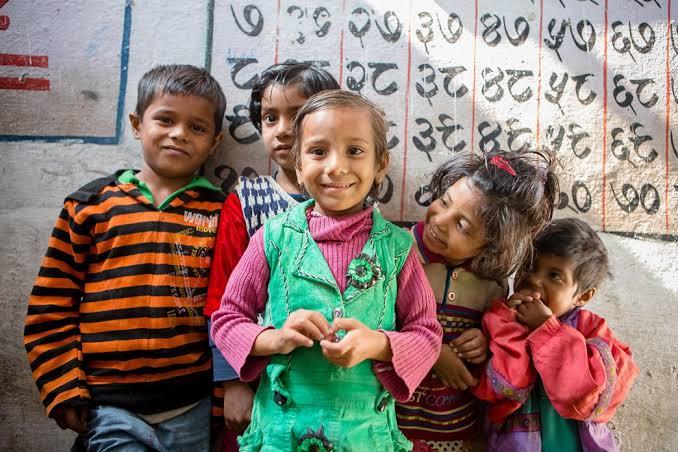
Child trafficking in India is a serious violation of children's rights that involves recruiting, transporting, transferring, harbouring, or receiving children for exploitation. Children may be trafficked for forced labour, sexual exploitation, forced begging, domestic work, or other forms of abuse. Preventing child trafficking requires public awareness, effective law enforcement, access to education, and strong child protection systems.
Organisations such as CRY India work to promote children's rights and well-being. Understanding the causes and warning signs of child trafficking can help families, schools, and communities take steps to protect vulnerable children.
Child trafficking refers to the exploitation of children through activities that fall within the applicable legal definition of trafficking. It can occur within a town, across state borders, or internationally. A child does not need to cross an international border for trafficking to occur.
Children may be targeted because of poverty, family difficulties, displacement, lack of access to education, or other circumstances that increase their vulnerability. Traffickers may use false promises of employment, education, financial support, or a better future to exploit children and their families.
Child trafficking is not the same as every case of a missing child or child labour, although these situations can overlap. Each case requires careful assessment and an appropriate response from the authorities.
Child trafficking can arise from several overlapping social and economic factors. Understanding these causes is essential for designing effective prevention programmes.
Families facing financial hardship may struggle to provide food, education, healthcare, and safe housing. Traffickers can exploit this vulnerability by promising jobs, financial assistance, or better opportunities for children.
Providing social protection, educational support, and livelihood opportunities for families can help reduce the conditions that traffickers exploit.
Children who are out of school or have limited access to quality education may face greater risks of exploitation. Without educational opportunities and supportive adults, they may have fewer ways to recognise deceptive offers or seek assistance.
Accessible schooling, awareness programmes, and support for children at risk of dropping out are important preventive measures.
Children who become separated from their families because of migration, disasters, conflict, neglect, or other crises may face increased vulnerability.
Child protection services, safe shelters, family tracing, and appropriate rehabilitation support can help protect children experiencing these circumstances.
Traffickers may approach children or their families with misleading offers involving domestic work, factory employment, entertainment, or other opportunities. In some cases, children are moved away from their communities and then subjected to exploitation.
Families should verify employment arrangements carefully and seek help from appropriate authorities if an offer appears suspicious.
Child trafficking can take several forms, depending on the purpose of exploitation.
Forced labour: Children may be made to work in hazardous or exploitative conditions, including certain workshops, agricultural settings, factories, or other workplaces.
Domestic servitude: Some children are placed in private homes under arrangements that involve exploitation, excessive work, restricted freedom, or abuse.
Sexual exploitation: Trafficking may involve the sexual exploitation of children, which is a serious crime and a violation of their rights.
Forced begging: Children may be exploited by individuals or groups who force them to beg or collect money.
Forced criminal activity: In some cases, children are coerced or exploited into participating in illegal activities.
These forms of exploitation can overlap. Children who experience trafficking need protection, appropriate care, and support for recovery and rehabilitation.
No single sign proves that a child has been trafficked. However, certain circumstances may justify a safeguarding concern and careful reporting.
A child may appear frightened, controlled by another person, unable to communicate freely, or unsure of their living or working arrangements. Other concerns may include being prevented from attending school, working in inappropriate conditions, having their documents withheld, or appearing unable to leave a situation freely.
Adults should avoid confronting suspected traffickers directly or attempting an unsafe rescue. Report credible concerns to the appropriate authorities so trained personnel can investigate and protect the child.
India has constitutional and legal provisions intended to prevent trafficking and protect children from exploitation.
Article 23 of the Indian Constitution prohibits trafficking in human beings and other forms of forced labour. Other relevant laws include the Bharatiya Nyaya Sanhita, 2023, the Juvenile Justice (Care and Protection of Children) Act, 2015, and the Protection of Children from Sexual Offences (POCSO) Act, 2012, where applicable. The Immoral Traffic (Prevention) Act, 1956, addresses specified offences connected with commercial sexual exploitation.
The applicable provisions depend on the facts and circumstances of a case. Prevention and enforcement require cooperation between state authorities, police, child protection agencies, and other relevant institutions.
Preventing child trafficking requires action at the family, school, community, and institutional levels.
Children should receive age-appropriate guidance about personal safety, trusted adults, online safety, and how to respond to suspicious offers. Parents and teachers should encourage children to ask questions and seek help when something feels unsafe.
Access to education, healthcare, social protection, and livelihood support can help reduce vulnerabilities that traffickers exploit. Community organisations can help families identify available services and support children at risk of exploitation.
Community members should report credible concerns about child exploitation rather than investigating suspected cases themselves. Schools, local authorities, healthcare workers, and child protection organisations can coordinate to identify children who need assistance.
Rescuing a child from exploitation is only one part of the response. Children may also need safe accommodation, medical care, counselling, educational support, family tracing, and long-term rehabilitation. Support should be sensitive to the child's needs and circumstances.
CRY India, also known as Child Rights and You, works to advance children's rights, including education, healthcare, nutrition, protection, and development.
These areas are closely connected to preventing child trafficking because children need safe environments, access to education, and supportive systems to reduce their vulnerability to exploitation.
Community awareness, support for children's education, and efforts to address barriers affecting disadvantaged children can contribute to broader child protection goals. Readers can explore CRY India's official website to learn about its work and current initiatives.
If a child appears to be in immediate danger, call 112 for emergency assistance. India's Child Helpline 1098 provides assistance for children who need care and protection and operates under the government's Mission Vatsalya framework, integrated with the emergency response system.
Share factual information with the authorities, protect the child's identity, and avoid posting photographs or identifying details on social media. Do not delay reporting while trying to collect proof yourself.
Child trafficking in India is a serious child protection issue that requires sustained awareness, effective law enforcement, and support for vulnerable children and families. Poverty, interrupted education, family separation, and deceptive employment offers can increase vulnerability to exploitation.
Preventing child trafficking means more than identifying offenders. It also requires ensuring that children have access to education, safe environments, essential services, and trusted adults who can help them seek protection.
Families, schools, communities, government agencies, and organisations such as CRY India all have a role in advancing children's rights and well-being.
Every child deserves safety, freedom, education, and the opportunity to grow without exploitation.