How Are Smart Textiles Transforming Wearable Technology and Connected Clothing?
Networking |
2026-10-06 10:37:41
 Russian
 English
 Romaian
 Portuguese (Brazil)
 Greek
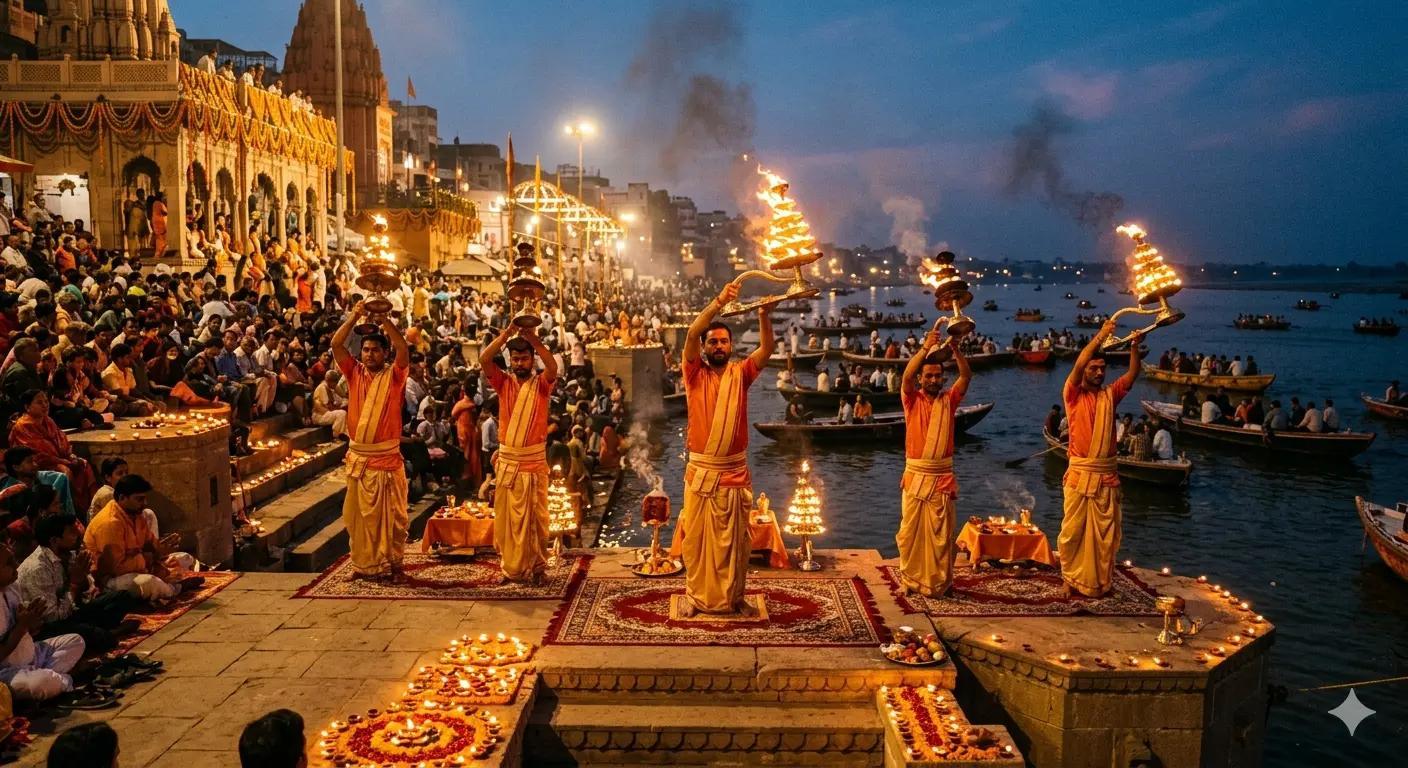
Varanasi, one of the oldest continuously inhabited cities in the world, is a destination where spirituality, history, culture, and everyday life come together along the banks of the River Ganga. The best tourist places in Varanasi include the sacred Dashashwamedh Ghat, the famous Kashi Vishwanath Temple, the peaceful Assi Ghat, the historic Sarnath Buddhist site, and the city's vibrant old streets.
Known as Kashi and Banaras, Varanasi attracts pilgrims, history enthusiasts, photographers, and travellers seeking a deeper connection with India's cultural heritage. Whether you are planning a weekend getaway or a longer cultural trip, the city offers experiences that go far beyond traditional sightseeing.
The Kashi Vishwanath Temple is among the most important religious landmarks in India. Dedicated to Lord Shiva, the temple is one of the twelve Jyotirlingas and holds immense significance for Hindu devotees.
Located in the heart of the old city, the temple attracts visitors throughout the year. Its golden spires, spiritual atmosphere, and religious traditions make it a major highlight for anyone exploring Varanasi.
Visitors can experience the temple's devotional environment, observe traditional rituals, and explore the surrounding lanes filled with shops selling flowers, sweets, religious offerings, and souvenirs.
It is advisable to check current entry rules, security restrictions, and darshan timings before visiting, especially during festivals and major religious occasions.
Every evening, priests perform the ceremony using large brass lamps, incense, bells, and coordinated devotional movements. The riverfront becomes a gathering place for pilgrims and visitors who come to witness this deeply rooted spiritual tradition.
Arriving early can help you find a suitable viewing spot. Travellers can also consider watching the ceremony from a boat, although boat access and prices vary.
During the daytime, the ghat offers opportunities to observe religious rituals, local vendors, pilgrims, and the daily activities that define life along the Ganges.
Assi Ghat offers a different atmosphere from the busy central ghats. Located near the southern end of the main riverfront, it is popular among students, international visitors, photographers, and travellers looking for a relaxed experience.
Early mornings are particularly enjoyable. Visitors can watch the sunrise over the river, observe prayers, attend yoga sessions when available, or simply sit by the water and enjoy the peaceful surroundings.
The area also has several cafés, guesthouses, and small eateries where travellers can enjoy breakfast after a morning walk.
Assi Ghat is an excellent addition to a Varanasi itinerary because it allows visitors to experience the city's spiritual character without the constant crowds found at some of its busiest locations.
Manikarnika Ghat is one of the city's most significant cremation ghats. In Hindu traditions, it is associated with the cycle of life, death, and liberation.
Although the ghat is an important cultural and religious site, it is not a conventional sightseeing attraction. Visitors should approach it with sensitivity and respect for grieving families and ongoing funeral rites.
Photography, filming, and intrusive observation can be inappropriate, particularly around private or sensitive ceremonies. Follow local instructions and avoid interfering with religious activities.
For travellers interested in understanding Varanasi beyond its temples and scenic riverfront, this location provides insight into the beliefs and customs that shape the city's identity.
Sarnath is an important Buddhist pilgrimage destination located approximately 10 kilometres from central Varanasi, depending on the starting point.
According to Buddhist tradition, Gautama Buddha delivered his first sermon here after attaining enlightenment. Today, Sarnath is known for its ancient monuments, archaeological remains, monasteries, and peaceful surroundings.
The major attractions include Dhamek Stupa, the archaeological site, and the Sarnath Museum, which houses significant historical artefacts, including the famous Lion Capital of Ashoka.
Unlike the crowded riverfront, Sarnath provides a quieter environment for exploring India's ancient religious and architectural heritage.
Travellers interested in history, Buddhism, or archaeology should consider spending at least half a day here.
Banaras Hindu University (BHU) is one of India's prominent educational institutions and an important part of Varanasi's modern cultural landscape.
Its expansive campus features tree-lined roads, academic buildings, and the New Vishwanath Temple, also known as the Birla Temple. The temple's architecture and spacious surroundings make it an appealing stop for visitors.
Within the university campus, Bharat Kala Bhavan Museum offers a collection of paintings, sculptures, textiles, and historical objects. It is especially interesting for travellers who want to learn more about Indian art and cultural traditions.
Before planning a museum visit, check its current opening hours and visitor requirements.
Tulsi Manas Temple is dedicated to Lord Rama and is associated with the poet-saint Tulsidas, traditionally linked to the composition of the Ramcharitmanas.
The temple's walls feature verses and scenes connected with the epic, making it interesting for visitors who appreciate Hindu literature and devotional art.
Its relatively calm environment provides a contrast to the crowded streets around the main temple district. Travellers can combine this visit with nearby temples and other southern Varanasi attractions.
For those exploring the city's religious heritage, Tulsi Manas Temple offers a meaningful glimpse into the literary traditions that have influenced devotional life across northern India.
Ramnagar Fort stands on the eastern bank of the Ganges, opposite the main city. This historic fort is associated with the former royal family of Varanasi and offers a different perspective on the region's past.
The complex features traditional architecture, courtyards, and a museum displaying historical objects, including vintage vehicles, weapons, royal costumes, and other collections.
The journey to the fort can also be part of the experience, particularly if you travel across the river by boat when suitable services are operating.
Ramnagar Fort is worth considering for visitors who want to explore the city's royal history alongside its better-known religious attractions. Check current museum access and operating hours before travelling.
Varanasi's old city is famous for its narrow lanes, traditional shops, street food, and lively marketplaces. Godowlia is a major commercial area that connects visitors with several popular temples and the historic riverfront.
Walking through the surrounding streets reveals a fascinating mix of everyday life, religious activity, local craftsmanship, and traditional commerce.
Visitors can shop for Banarasi silk sarees, textiles, handicrafts, religious souvenirs, and local sweets. Food lovers can also explore popular local snacks, including kachori-sabzi, tamatar chaat, and traditional sweets.
The lanes can be crowded, so comfortable footwear and patience are essential. Travellers should also allow extra time for short journeys because traffic and pedestrian congestion can make navigation slower than expected.
Travellers staying longer in Varanasi can consider exploring destinations beyond the city centre.
Chunar Fort, situated near the Ganges in Mirzapur district, is known for its historical associations and strategic hilltop location. It is a possible day trip for those interested in forts, regional history, and scenic landscapes.
However, Chunar is farther away than Sarnath, so travellers should account for road conditions and travel time before adding it to their itinerary.
For a shorter trip, Sarnath remains the more practical excursion because it can be combined with a morning or afternoon of sightseeing in Varanasi.
The best time to explore Varanasi is generally from October to March, when temperatures are often more comfortable for walking, temple visits, and boat rides.
|
Season |
What to expect |
|---|---|
|
October to March |
Generally pleasant weather for sightseeing and riverfront walks |
|
April to June |
Hot weather, making early-morning visits preferable |
|
July to September |
Monsoon conditions, possible rain, and changing river levels |
Festival periods such as Dev Deepawali and Mahashivratri can make Varanasi especially vibrant, but they may also bring heavy crowds, higher accommodation demand, and traffic restrictions.
Travellers visiting during festivals should book accommodation early and confirm local arrangements before departure.
A two-day itinerary is enough to experience many of the city's major attractions without rushing through every stop.
Day 1: Temples and Sacred Ghats
Begin early at Assi Ghat to experience the morning atmosphere along the Ganges. Continue to Kashi Vishwanath Temple, explore the old city lanes, and visit Dashashwamedh Ghat in the evening for the Ganga Aarti. If time permits, explore nearby markets and sample local food.
Day 2: History and Culture
Dedicate the morning to Sarnath's Buddhist monuments and museum. In the afternoon, explore BHU, visit the New Vishwanath Temple, or see Tulsi Manas Temple. If you prefer royal history, consider Ramnagar Fort, keeping travel time and opening hours in mind.
This itinerary combines spirituality, history, architecture, and local experiences while leaving some flexibility for unexpected discoveries.
A little planning can make your visit more comfortable, particularly if you are visiting for the first time.
Wear comfortable walking shoes because many attractions are connected by narrow lanes and uneven pathways. Dress respectfully at religious sites and follow temple-specific rules regarding footwear, photography, and entry.
Keep valuables secure in crowded markets and around busy ghats. If you plan to take a boat ride, agree on the fare and duration before departing, and use appropriate safety equipment.
Food enthusiasts should try local specialities from reputable, busy establishments and drink safe water. During periods of heavy rain or high river levels, follow local safety advisories and avoid unsafe areas near the water.
Expert Tip: Start your sightseeing early in the morning. You can enjoy the ghats in softer light, avoid some of the daytime crowds, and experience a quieter side of Varanasi before the city becomes busier.
The best tourist places in Varanasi offer much more than a traditional sightseeing experience. From the sacred rituals at Dashashwamedh Ghat and the spiritual importance of Kashi Vishwanath Temple to the Buddhist heritage of Sarnath and the royal history of Ramnagar Fort, every destination reveals a different aspect of the city.
Whether you are visiting for religious reasons, cultural exploration, photography, or local food, Varanasi rewards travellers who take the time to explore beyond its most famous landmarks. Plan your itinerary around the ghats, temples, historic sites, and local markets to experience the city's unique character and lasting cultural significance.