

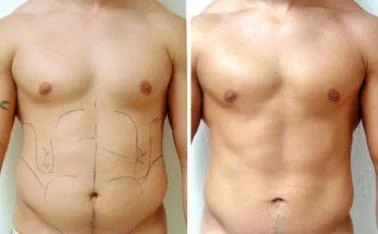

Enlarged male breasts are a common concern that can affect men at different stages of life. This condition, medically known as gynecomastia, involves the development of breast glandular tissue in males. It may occur during adolescence, adulthood, or later years and can affect one or both sides of the chest. Although some men consider surgery to improve their chest appearance, not every case requires a surgical procedure. Understanding the underlying cause, severity, and available treatment options is essential before making a decision.
Interest in Gynecomastia Surgery in Riyadh has increased among men looking for ways to address persistent chest enlargement and achieve a more balanced appearance. However, surgery is not always the first or only option. Some cases improve naturally, while others may require medical evaluation, lifestyle adjustments, or surgical treatment. Understanding when surgery becomes appropriate can help individuals make informed decisions based on their personal needs.
Understanding Why Male Breast Enlargement Occurs
Male breast enlargement can develop for several reasons, and identifying the underlying cause is an important part of choosing the right treatment. Gynecomastia occurs when glandular breast tissue increases in size, often because of changes in the balance between estrogen and testosterone.
Hormonal fluctuations are particularly common during puberty and later adulthood. Certain medications, underlying medical conditions, and changes in body composition can also contribute to breast enlargement. In some individuals, excess fatty tissue around the chest creates a similar appearance without significant glandular development.
The distinction between these conditions matters because their treatment approaches may differ. A medical professional can assess whether the enlargement involves glandular tissue, excess fat, or a combination of both.
Hormonal Changes and Their Influence
Hormones play an important role in male breast development. Although testosterone is the primary male sex hormone, estrogen is also naturally present in men. When the balance between these hormones changes, breast glandular tissue may develop.
During puberty, temporary hormonal fluctuations can cause breast enlargement. In many cases, this condition gradually improves without medical or surgical intervention. However, persistent enlargement in adults may require further assessment to identify possible contributing factors.
Excess Fat Versus Glandular Tissue
Not every enlarged male chest represents true gynecomastia. Some men develop excess fatty tissue around the chest, a condition commonly described as pseudogynecomastia.
Unlike true gynecomastia, which involves glandular tissue, pseudogynecomastia is primarily associated with fat accumulation. This distinction is important because weight management may improve chest fullness caused by excess fat, whereas established glandular tissue may not respond to exercise or dietary changes.
Does Every Case of Enlarged Male Breasts Require Surgery?
No, surgery is not necessary for every individual experiencing enlarged male breasts. The appropriate treatment depends on the cause, duration, severity, and whether the condition creates physical discomfort or emotional distress.
For example, adolescents experiencing puberty-related gynecomastia may only need observation and periodic medical assessments. Their breast tissue may gradually return to a more typical appearance as hormonal levels stabilize.
Similarly, individuals whose chest enlargement is primarily related to excess body fat may benefit from appropriate lifestyle changes. However, persistent glandular enlargement may require additional treatment options.
Gynecomastia Surgery in Riyadh may be considered when breast enlargement remains noticeable despite addressing contributing factors or when the condition causes significant discomfort and affects confidence.
Temporary Gynecomastia May Improve Naturally
Temporary gynecomastia is particularly common during puberty. It can develop when hormone levels fluctuate as the body matures. In many adolescents, the enlargement gradually decreases over time without requiring surgery.
Medical professionals generally consider the individual's age, development, symptoms, and duration of the condition before recommending treatment. Observation may be appropriate when there are no concerning symptoms or underlying medical issues.
However, persistent, painful, or unusual breast changes should not automatically be assumed to be harmless. A medical evaluation can help determine whether further investigation is necessary.
Mild Cases May Not Require Surgical Treatment
Some men experience relatively mild chest enlargement that does not cause physical discomfort. Depending on the underlying cause, surgical intervention may not be necessary.
When excess fat contributes to chest fullness, maintaining a healthy body weight and following an appropriate exercise routine may improve overall chest appearance. However, exercise cannot directly remove established glandular breast tissue.
The decision to pursue surgery should consider more than appearance alone. Personal preferences, physical symptoms, medical findings, and realistic expectations all contribute to determining the most suitable approach.
When Does Gynecomastia Surgery Become an Appropriate Option?
Surgery may become an appropriate consideration when enlarged male breast tissue persists and does not improve through observation or treatment of contributing factors.
Some men experience long-standing gynecomastia that remains noticeable regardless of their fitness level or body weight. Others may experience tenderness, chest sensitivity, or discomfort associated with the enlarged tissue.
In these circumstances, a medical assessment can help establish whether surgical treatment is suitable.
Persistent Glandular Breast Tissue
One common reason men explore surgery is the presence of persistent glandular tissue. Unlike excess fat, glandular tissue generally does not disappear through exercise or weight reduction.
When the enlargement remains stable over time and affects chest proportions, surgical removal may be considered.
Gynecomastia Surgery in Saudi Arabia offers an option for eligible individuals seeking treatment for persistent glandular enlargement. The appropriate technique depends on the amount of tissue involved and the individual's chest structure.
Physical Discomfort and Emotional Concerns
Gynecomastia can affect more than physical appearance. Some men experience tenderness, sensitivity, or discomfort when wearing fitted clothing or participating in certain activities.
The condition may also influence confidence and body image. Individuals sometimes feel uncomfortable in social situations, at swimming pools, or during exercise.
Although emotional concerns do not automatically mean surgery is necessary, they are relevant when discussing treatment options with a qualified medical professional.
What Treatment Options Are Available Without Surgery?
Non-surgical management may be appropriate depending on the cause of breast enlargement. Before considering an operation, medical professionals generally assess whether the condition is related to medications, hormonal changes, excess body fat, or another underlying factor.
The treatment plan should address the cause rather than focusing exclusively on the visible chest appearance.
Lifestyle Adjustments and Weight Management
When excess fat contributes to chest enlargement, maintaining a balanced diet and regular physical activity may improve overall body composition.
Strength training can help develop the chest muscles and improve general fitness. However, it is important to understand that exercising the chest does not directly eliminate glandular breast tissue.
Weight management may improve pseudogynecomastia, but individuals with true gynecomastia may continue to notice enlarged breast tissue even after losing weight.
Reviewing Medications and Underlying Conditions
Certain medications and health conditions can contribute to breast tissue enlargement. A medical professional may review an individual's medication history and assess whether an underlying condition is involved.
If a medication is suspected of contributing to gynecomastia, the prescribing professional may consider an alternative where medically appropriate. Patients should never discontinue prescribed medication without professional guidance.
In selected cases, medical treatment may be considered depending on the cause and duration of the condition. Medication is not suitable for every individual, and established gynecomastia may not respond to it.
What Happens During Gynecomastia Surgery?
When surgery is considered appropriate, the procedure generally focuses on reducing excess glandular tissue, fatty deposits, or both to create a more proportionate chest appearance.
The surgical approach depends on the individual's anatomy, the amount of enlargement, skin quality, and the composition of the affected tissue.
Liposuction for Excess Fat
Liposuction may be used when excess fatty tissue contributes significantly to chest enlargement. The technique involves removing unwanted fat through small incisions using specialized surgical instruments.
It may be suitable for selected individuals whose chest fullness is primarily related to fatty deposits. However, liposuction alone may not adequately address firm glandular tissue.
Glandular Tissue Removal
When enlarged glandular tissue is present, surgical excision may be recommended. This approach involves removing excess breast gland tissue to reduce the appearance of male breast enlargement.
In some cases, surgeons combine liposuction with glandular tissue removal to address different components of the chest enlargement.
The goal is to create a natural-looking chest contour while considering the individual's existing anatomy.
What Should Men Expect During Recovery?
Recovery following gynecomastia surgery varies according to the surgical technique, amount of tissue removed, and individual healing response.
Some patients experience temporary swelling, bruising, tightness, or tenderness after the procedure. These effects are generally part of the healing process, although their duration differs between individuals.
Patients may be advised to wear a compression garment to support the chest and help manage swelling. Activity restrictions and follow-up appointments are also important parts of postoperative care.
Strenuous exercise and heavy lifting should generally be avoided until the surgeon confirms that returning to these activities is appropriate.
The final chest contour may take time to become visible as swelling gradually decreases and the tissues heal.
How to Decide Whether Surgery Is Right for You
Choosing whether to undergo surgery requires an understanding of the condition and realistic expectations about treatment outcomes.
A professional consultation is an important starting point. During the assessment, the surgeon may review medical history, examine the chest, discuss symptoms, and determine whether further investigations are necessary.
Age, hormonal health, tissue composition, skin elasticity, and previous treatment attempts may all influence the recommendation.
Gynecomastia Surgery in Riyadh should be considered as an individualized treatment option rather than a necessary solution for every case of male breast enlargement.
Men should also understand that surgery addresses existing breast tissue but does not necessarily prevent future enlargement if an underlying hormonal or medical cause remains untreated.
Conclusion
Not every case of enlarged male breasts requires surgery. Temporary hormonal changes, excess fatty tissue, medication-related effects, and underlying medical conditions can all contribute to chest enlargement. Some individuals improve through observation, lifestyle adjustments, or appropriate medical management, while others may benefit from surgical treatment when glandular tissue persists.
Understanding the difference between true gynecomastia and excess chest fat is essential when choosing an appropriate treatment approach. A professional evaluation helps determine whether surgery is necessary and which technique may provide suitable results. Individuals researching Gynecomastia Surgery in Saudi Arabia should prioritize accurate medical information, qualified surgical expertise, and realistic expectations. Enfield Royal Clinic Saudi is a name individuals may explore when researching gynecomastia treatment options and consultation pathways in Riyadh.
Frequently Asked Questions
1. Does Every Case of Enlarged Male Breasts Need Surgery?
No, not every case requires surgery. Some cases, particularly those associated with puberty or excess fatty tissue, may improve naturally or through appropriate lifestyle changes. Surgery is generally considered when persistent glandular enlargement causes physical or emotional concerns.
2. What Is the Main Cause of Gynecomastia in Men?
Gynecomastia commonly develops because of an imbalance between estrogen and testosterone. Other contributing factors may include puberty, aging, certain medications, underlying health conditions, and hormonal changes.
3. Can Exercise Completely Remove Gynecomastia?
Exercise can help reduce excess body fat and improve chest muscle development. However, it cannot directly eliminate enlarged glandular breast tissue. Men with persistent true gynecomastia may require medical assessment to explore further treatment options.
4. When Should Men Consider Gynecomastia Surgery in Riyadh?
Men may consider Gynecomastia Surgery in Riyadh when breast enlargement persists, causes discomfort, or affects confidence despite addressing contributing factors. A qualified surgeon can determine whether an operation is appropriate after an individual assessment.
5. Is Gynecomastia Surgery in Saudi Arabia Suitable for Every Age Group?
No, suitability depends on age, physical development, medical history, and the underlying cause. Adolescents often experience temporary gynecomastia that improves naturally. Surgical treatment is generally considered after appropriate assessment, particularly when enlargement persists after puberty.
6. How Long Does Recovery Take After Gynecomastia Surgery?
Recovery varies depending on the surgical technique and individual healing process. Initial swelling and bruising generally improve gradually, while the final chest contour may take several months to become apparent. Following postoperative instructions and attending follow-up appointments support proper recovery.


