Russian
 English
 Romaian
 Portuguese (Brazil)
 Greek
Greek

Best Hair Transplant in Gurgaon – A Complete Guide to Choosing the Right Clinic
Other |
2026-09-09 08:24:16
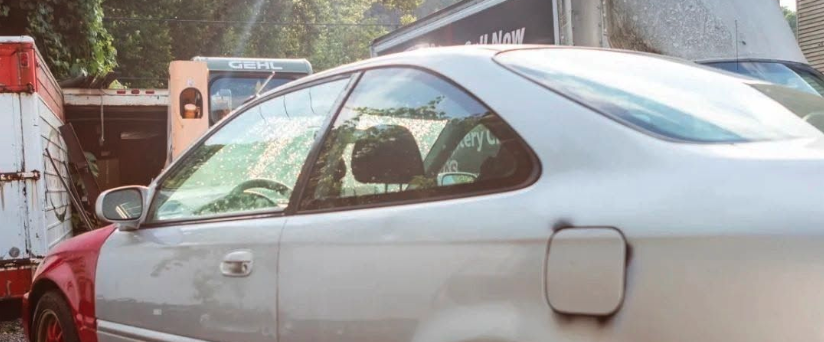
Yes, it is time to sell a car that keeps breaking down once the repairs stop fixing the problem for good. If the repair bill is getting close to what the car is worth, or the same system fails again and again, selling is usually the better move than another repair. You can sell the car in Pittsburgh as it sits, even if it won’t start, and PGH Junk Cars includes towing when you sell.
Most drivers wait too long to make this call, because each repair feels small on its own. If you are weighing whether to sell a car that keeps breaking down, it helps to look at the whole pattern instead of the latest invoice. One breakdown is an event. Three breakdowns in one system is a trend. This post explains how to read that trend, how to compare repair costs to the car’s value, and what selling looks like once you decide to move on.
A single failure can be bad luck. A tire blows after a pothole, a battery dies after a cold night, or a part simply reaches the end of its life. Those are isolated problems, and fixing them often makes sense. A repeat failure is different. When the same system keeps failing, the repair is probably treating a symptom and not the cause.
Think of a leaky pipe in an old house. You can patch one joint, but if the pipe is corroded all the way through, the next leak shows up a few feet away. A car works the same way. If the charging system fails, you replace the part, and it fails again in a few weeks, the part was never the real problem. The wiring, the alternator, or a sensor further down the line may be wearing out too.
Batteries are a clear example. AAA Central Penn, cited on pghjunk.com, says a battery that needs repeated jumps over a week or two likely needs replacing. If a new battery also dies, the charging system is the next suspect. Cranking the engine again and again to get it going makes things worse, because it can drain the battery and wear the starter. One jump attempt is the most you should make before you stop and look at the bigger picture.
The simplest test is to put the repair estimate next to the car’s value. A repair is worth making when the cost is well below the car’s value and the failure is an isolated one. A repair stops making sense when the cost approaches the car’s value, or when the same system keeps failing. Both signs point the same way. You would be spending real money on a car that cannot pay it back.
Be honest about the value side of that comparison. An older car with high mileage and a history of problems is worth less than it was a year ago. Every repair adds to what you have put into it, but it does not add the same amount to what the car is worth. People call this chasing a sunk cost. The money you already spent on past repairs is gone either way, so the only question is whether the next repair is a good use of new money.
There are general rules of thumb in the car industry that tie repair costs to a percentage of the car’s value. We have not confirmed a specific percentage that applies to your car, so treat any single figure with caution. A better approach is to get a written repair estimate, ask what else is likely to fail soon, and then ask what the car would bring if you sold it as it sits. Putting those two numbers side by side makes the decision much clearer.
Selling a car that keeps breaking down is simpler than most people expect, even when the car does not start at all. You describe the vehicle, get a quote, schedule a pickup, and have your title ready. The car can sit in your driveway or at the roadside where it stopped. Towing and removal happen in one visit, so there is no second trip and no separate tow to book.
PGH Junk Cars buys cars in any condition, and that includes cars that do not run. The condition of the car affects the offer, but it does not decide whether you are eligible. A car with a bad engine, a failed transmission, or a charging fault that keeps coming back can still get an offer. You do not need to fix the problem first. Fixing it would only add cost to a car you are about to sell.
Towing is included when you sell, and the pickup cost is not deducted from your offer. That matters more than it sounds. If you hired a separate tow just to move a dead car to a shop, you would pay for the trip and still own a car that does not run. Selling to a buyer who includes towing removes that cost and puts the car on its way out in a single visit.
You need the title. Yes, we need the title to buy your car. If you’ve lost it, you can get a duplicate from AAA, then call us. We can still do same-day service once you have the replacement. Having the title in hand when the truck arrives keeps the pickup quick, because the crew can complete the sale on the spot.
It also helps to know a few details about the car before you call. Have the year, make, and model ready. Say plainly what the problem is, even if the answer is that it keeps breaking down and you are not sure why. If the car is all-wheel drive, or if it is stuck in park, mention that when you book. A flatbed can lift the whole car onto the truck, and the crew will plan for it if they know ahead of time.
After the sale, we advise canceling your insurance the same day. Once the car is gone, there is no reason to keep paying for coverage on it.
Sometimes a last repair does make sense. If the failure is isolated, the estimate is well below the car’s value, and nothing else on the car is close to failing, fixing it is a reasonable choice. The trouble is that a repeat breakdown rarely fits that description. If you have already paid to fix the same system once, you have good reason to expect a second failure.
A useful check is to ask yourself how you would feel if the car broke down again next month. If the honest answer is that you would be done with it, the decision has already been made. The only question left is whether you sell it now, while it still has value as a car, or after it has cost you another repair. Waiting rarely raises the offer, and it often means one more bill.
A car that keeps breaking down is telling you something. Read the pattern, compare the repair estimate to the car’s value, and be willing to stop when the numbers stop working. When you are ready, you can sell the car as it sits, with the title ready and towing included, and move on to something more reliable.
Is it worth fixing a car that keeps breaking down?
Only if the cost is well below the car’s value and the failure is isolated. If the repair cost is close to what the car is worth, or the same system keeps failing, selling is usually the better choice.
Can I sell a car that keeps breaking down and won’t start?
Yes. PGH Junk Cars buys cars in any condition, including ones that won’t start. You don’t need to fix the problem first.
Do I have to pay for a tow when I sell my car?
No. Towing is included when you sell to PGH Junk Cars. The pickup cost is not deducted from your offer.
Do I need the title to sell my car?
Yes, we need the title to buy your car. If you’ve lost it, you can get a duplicate from AAA, then call us. We can still do same-day service once you have the replacement.
How many times should I jump a car before I stop?
One attempt at most. If the car needs repeated jumps over a week or two, AAA Central Penn says the battery likely needs replacing.