Russian
 English
 Romaian
 Portuguese (Brazil)
 Greek

Dimple Creation Benefits That Can Transform Your Smile Appearance
Health |
2026-06-18 07:08:23
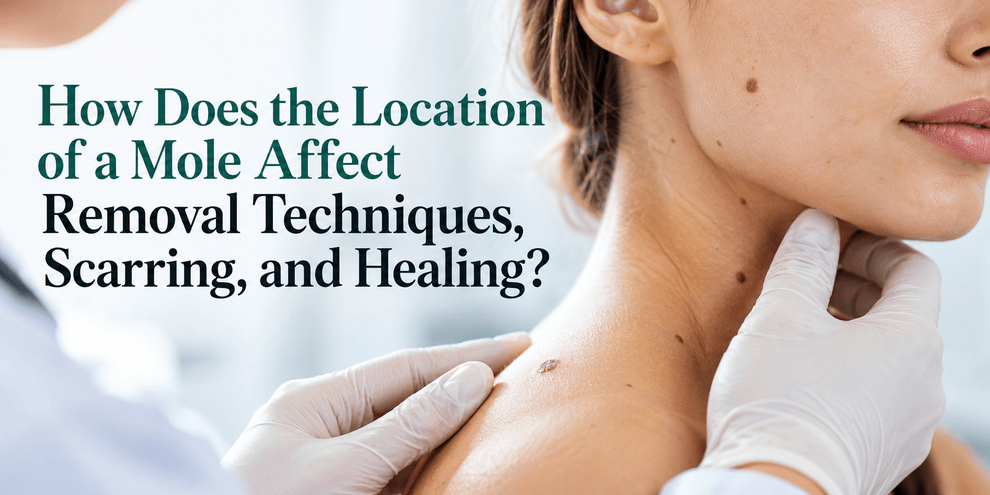
A small mole on your cheek may seem like a straightforward cosmetic concern, while another on your shoulder might repeatedly catch on clothing. A mole on the scalp, foot or near an eyelid can present different practical challenges, even when all the lesions appear similar in size. Their positions influence how a clinician assesses them, which removal method may be suitable and how the resulting wound might heal.
When researching mole removal treatments, it is easy to concentrate on the procedure itself. However, the location of the mole is only one part of the decision. Its appearance, depth, size, symptoms, suspected diagnosis, surrounding skin and the reason for removal all matter. A mole that has changed in colour or shape also needs medical assessment before a cosmetic procedure is considered.
Body areas differ in skin thickness, movement, friction and tension. These differences can influence wound closure, comfort during recovery and the eventual appearance of a scar. They do not, however, allow anyone to predict the final result with certainty.
This article explains how facial, scalp, back, chest, limb and foot locations can affect removal planning, what to discuss during consultation, how to care for the wound and which changes should prompt medical attention.
Where a mole sits can shape the treatment plan, but the mole itself must guide the decision.
Key Considerations
The position of a mole helps a clinician assess how accessible it is, how the surrounding skin behaves and what practical issues might arise during healing. A flat mole on a relatively stable area may be approached differently from a raised lesion on a joint or a mole close to the eye. Location is therefore considered alongside the mole's characteristics rather than used as the sole basis for choosing a procedure.
Two moles can look similar from the surface but extend to different depths within the skin. A superficial lesion may be suitable for one approach, while a deeper lesion may require a different technique or a procedure that allows the tissue to be examined more fully.
A clinician may inspect the mole closely, assess its borders and colour, ask how long it has been present and check whether it has changed. A dermatoscope, a handheld magnifying device designed for skin assessment, may be used when appropriate.
The depth and nature of the lesion can affect the amount of tissue that needs to be removed. This, in turn, can influence wound size and closure.
Some body areas stretch or move frequently. The shoulder, upper back, chest and joints can place tension on a healing incision during everyday activities. The face also moves constantly, particularly around the mouth and eyes.
When planning a procedure, a clinician considers the direction of natural skin tension and how the wound may behave during movement. This can help inform incision placement and closure, although no technique can guarantee an invisible scar.
A mole in an easily reached area may be simpler for the patient to monitor and keep clean. A lesion on the back or scalp may be harder to see, making assistance with wound care or dressing changes useful.
Moles near the eyelid, nail, ear or other delicate structures may need particular care because of the surrounding anatomy. The appropriate setting and clinician depend on the lesion, its location and the complexity of the procedure.
The first decision is always whether removal is appropriate and, if so, which method best fits the clinical situation.
Facial moles can attract attention because they are visible during everyday interactions. Some people seek removal because a mole catches while shaving, rubs against glasses or causes cosmetic concern. The face also contains delicate structures, and a scar may be noticeable depending on its position, orientation, colour and texture.
Skin varies across the face. The skin on the forehead, cheek, nose and eyelid does not behave identically, and the amount of available tissue differs from one area to another. A clinician must account for nearby structures and the way facial expressions move the skin.
A mole near the eyelid, nostril or lip may need more careful planning than a similar lesion on a broader, flatter area. Where necessary, referral to a clinician with appropriate experience in that anatomical area may be recommended.
Any removal method that injures or cuts through the skin can leave a mark. A surgical excision usually creates a linear scar, while a shave procedure may leave a flatter or slightly indented area. The final appearance depends on the original lesion, the depth of removal, wound closure, skin characteristics and individual healing.
A scar may initially look pink or darker than the surrounding skin. Its colour and texture can continue to change over the following months. The length of time needed for a scar to settle varies, and some marks remain noticeable.
A person may prefer the smallest possible mark, but reducing the visible scar cannot take priority over appropriate diagnosis and removal. If a mole has suspicious features, the clinician may recommend a method that permits suitable tissue examination rather than a purely cosmetic technique.
Before a facial procedure, discuss the likely scar location, potential changes in pigmentation, the possibility of an indentation and any risks to nearby structures. A realistic plan considers both the reason for removal and the limitations of the available methods.
The back, chest and shoulders can present particular healing considerations because the skin in these areas may experience stretching, pressure and repeated movement. A wound can be exposed to tension when reaching overhead, lifting objects, twisting or sleeping in certain positions. These factors may influence how the incision is planned and how activity is managed afterwards.
The upper back and shoulders are subject to movement and skin tension. Some people also develop raised or thickened scars in these areas, particularly if they have a personal tendency towards keloids or hypertrophic scarring.
A keloid grows beyond the original wound boundaries, while a hypertrophic scar remains within them but becomes raised. Neither develops in everyone, and a person's history of previous scars can help inform the discussion before treatment.
If you have previously developed thick scars after piercings, surgery or minor injuries, mention this during consultation. It does not automatically rule out removal, but it may affect the advice given about the expected outcome.
The chest can also be prone to raised scarring in some individuals. Clothing, straps and exercise may rub against a healing wound, particularly if it is positioned where fabric repeatedly moves across the skin.
The clinician may discuss how to reduce friction, whether particular activities should be limited temporarily and how the incision will be closed. These details matter because wound care continues after the procedure itself has ended.
The size of the original mole is only one factor. The required removal margin, the depth of the lesion, the closure method and the tension across the wound can all influence the final scar.
For this reason, it is not possible to promise that a tiny mole will leave a tiny or barely visible mark. A consultation should include an honest explanation of what can reasonably be expected at that specific site.
Moles on the scalp, neck, arms and legs may be exposed to different combinations of hair, clothing, movement, sunlight and friction. These practical details can influence the procedure and aftercare, even when the underlying removal technique is similar.
Scalp moles may be difficult to inspect and care for without help. Hair can make the area harder to see, and brushing, combing or wearing headwear may irritate a healing site.
Before treatment, ask whether you will need assistance with dressing changes and when it is reasonable to wash or style your hair. Follow the clinician's specific instructions rather than assuming that the area can be treated like an ordinary scalp scratch.
The neck moves frequently and may be rubbed by collars, jewellery or clothing. Shaving can also irritate a wound in this area.
A clinician may consider the mole's position in relation to natural skin creases and repeated movement. During recovery, avoiding direct rubbing and following wound-care guidance can help protect the incision.
The forearms are often accessible for wound care, but hands and areas near the elbow experience frequent movement. Activities such as lifting, bending the elbow, gripping tools or carrying bags may place pressure on a healing site.
The amount of temporary activity restriction depends on the procedure and the location. If your work involves repetitive hand movements or physical tasks, discuss this before arranging removal.
Moles on the thighs may be affected by clothing friction, while sites near the knees are exposed to bending and stretching. Lower-leg wounds can sometimes take longer to settle, particularly when circulation is impaired or swelling is present.
If you have diabetes, known circulation problems or a history of slow wound healing, tell the clinician before treatment. These factors may influence the timing, aftercare and suitability of an elective procedure.
The skin does not heal identically across the body. Location can influence wound tension, movement, friction and the ease of aftercare, but the eventual result also depends on personal healing characteristics, the size and depth of the wound, the closure method and whether complications occur.
For people comparing options at dermatology skin care clinics, the discussion should cover not only how a mole will be removed, but also what the wound may look and feel like as it heals.
A wound may be pulled by surrounding skin as the body moves. Where tension is greater, a scar can gradually widen or become more noticeable. Clinicians take skin tension into account when planning an incision and closing the wound.
Even careful closure cannot eliminate all tension or guarantee a particular scar shape. Healing is a biological process, and the result can only be estimated rather than promised.
Some people are more likely to develop raised scars or lasting changes in pigmentation. A history of keloids, previous surgical scars and the way earlier wounds healed can provide useful information.
Skin colour can also influence how a healing mark appears. A scar may look darker or lighter than the surrounding skin, and these differences can persist. This should be discussed before an elective procedure, especially if the mark will be in a highly visible area.
A wound beneath a bra strap, waistband, collar or shoe may be repeatedly rubbed. Sweat and moisture can complicate care if the dressing becomes wet or the area is not managed as instructed.
The solution is not to avoid all movement or activity indefinitely. Instead, follow the aftercare plan, protect the site from unnecessary rubbing and ask when normal activities can safely resume.
The surface of a wound may close before the scar has fully matured. Scar tissue continues to remodel over time, and its colour, firmness and texture can change for months.
A wound that appears pink or slightly raised early on is not necessarily showing the final result. However, increasing pain, spreading redness, warmth, pus or wound separation should not be dismissed as ordinary healing.
The most appropriate technique depends on the suspected diagnosis, the mole's depth and appearance, its location and the need to examine the removed tissue. A clinician should explain why a particular approach is recommended rather than selecting a method solely because it is expected to leave a smaller mark.
Excision involves cutting out the mole, usually with some surrounding skin, and closing the wound with stitches or another suitable closure method. It is often considered when a full-thickness removal is needed or when tissue examination is important.
Depending on the lesion, an excision may produce a linear scar. The length and position of the incision depend on the amount of tissue removed and the anatomical site.
A shave procedure removes a raised lesion by cutting across its base or through the upper layers of the skin. It may be suitable for selected lesions that have been assessed as appropriate for this technique.
Shave removal does not always leave a line-shaped scar, but it can leave a pale or darker mark, a shallow depression or a raised scar. It is not suitable for every mole, particularly where a deeper sample or complete excision is required to investigate a suspicious lesion.
When a mole is suspicious, the clinician may recommend a biopsy or excision that allows the tissue to be examined under a microscope. The precise method depends on the clinical concern and the lesion's location.
A cosmetic removal method should not be chosen if it would compromise appropriate diagnosis. If a mole is changing, irregular or otherwise concerning, the priority is assessment and a suitable diagnostic plan.
A facial mole is not automatically best suited to a shave procedure, and a mole on the back does not always require a particular form of excision. The same body area can contain lesions with different depths and clinical features.
Ask what the procedure is intended to achieve, whether the whole mole will be removed, whether laboratory examination is planned and what the likely scar may look like. These answers provide a more useful basis for decision-making than a general promise of scar-free removal.
Good preparation and aftercare help protect the wound and make it easier to recognise problems early. Instructions vary with the procedure, body site and closure method, so the clinician's advice should take priority over general guidance.
Discuss your medical history, current medicines, allergies and any previous problems with scarring or wound healing. Tell the clinician if you have diabetes, a circulation condition, a tendency to bleed or a history of keloid formation.
You should also explain whether the mole has changed, bled, itched or become painful. These details may alter the assessment and whether a cosmetic procedure is appropriate.
Ask about:
Do not stop prescribed medication without instructions from the clinician responsible for your care.
Keep the wound clean and manage the dressing according to the instructions provided. Depending on the procedure, you may be advised to keep the site covered for a particular period and avoid soaking it while it heals.
Avoid picking at scabs, pulling at stitches or applying unapproved products to the wound. If the site is on the back or scalp, ask for help if you cannot inspect or clean it comfortably.
The timing depends on the wound's location and how it was closed. Activities that stretch the incision or cause repeated rubbing may need to be reduced temporarily. For example, strenuous exercise may place tension on a wound on the shoulder or chest, while footwear can rub a healing site on the foot.
Ask for advice tailored to your usual routine. A person with a physically demanding job may need a different plan from someone whose work involves little movement.
It is important to separate two concerns: changes in the mole before removal and possible complications after a procedure. Both deserve attention, but they call for different responses. A mole that changes may need diagnostic assessment, while a wound that becomes increasingly painful or inflamed may require review of the healing process.
Arrange medical assessment if a mole changes in size, shape or colour, becomes persistently itchy or painful, starts bleeding or develops a crust. A new or unusual skin mark that does not settle should also be assessed.
Irregular borders, uneven colouring and noticeable change over time can raise concern, although no single feature proves that a mole is cancerous. A clinician can examine the lesion and decide whether specialist assessment or a biopsy is needed.
Do not arrange routine cosmetic removal of a suspicious mole without first obtaining an appropriate medical assessment.
After removal, contact the treating service or a healthcare professional if you notice:
The urgency depends on the symptoms. Heavy bleeding, rapidly spreading redness with systemic illness or other severe symptoms may require urgent care.
A wound that is difficult to see, repeatedly rubbed or positioned near a delicate structure may need extra attention during recovery. A clinician may also arrange review to check the wound, remove stitches or discuss laboratory results.
A healing wound should gradually settle. A change for the worse deserves attention rather than guesswork.
Scarring cannot be prevented entirely whenever the skin is cut, and no aftercare routine guarantees a particular cosmetic result. However, following appropriate wound-care advice and reducing unnecessary irritation can help support healing.
A good decision balances the reason for removal with the diagnosis, the anatomical site, the expected scar and the practical demands of recovery. A mole that repeatedly catches on clothing may create a different concern from a stable facial mole that is removed for appearance. A suspicious mole, meanwhile, requires medical assessment regardless of whether the person is mainly concerned about its cosmetic effect.
This is a hypothetical example, not a real patient case.
Imagine two people who each have a small, raised mole that they would like removed. One mole is on the cheek, while the other is on the upper back beneath a clothing strap.
For the cheek mole, the discussion may focus on visibility, the relationship to nearby facial structures and the likely appearance of the scar. For the back mole, the clinician may pay particular attention to movement, skin tension, friction from clothing and the person's history of raised scars.
Now suppose the cheek mole has also changed colour, while the back mole has remained stable for years. The assessment priorities differ again. The changing lesion needs appropriate diagnostic evaluation before cosmetic considerations guide the procedure.
The example illustrates why location is important, but why it cannot replace a full assessment of the mole itself.
Before agreeing to removal, ask:
The answers should reflect the individual lesion and your circumstances. A suitable treatment plan should explain the benefits, limitations, possible complications and expected recovery without promising a scar-free result.
The table below summarises common location-related considerations. It is a general guide rather than a method for choosing a procedure without clinical assessment.
|
Mole location |
Main planning considerations |
Possible healing challenges |
Aftercare discussion |
|
Face |
Visibility, nearby structures, skin texture and cosmetic priorities |
Noticeable colour or texture changes; local movement |
Scar expectations, sun protection and care near the eyes or mouth |
|
Scalp |
Hair coverage, access and lesion depth |
Difficulty seeing the wound; irritation from combing or headwear |
Hair washing, dressing changes and help inspecting the site |
|
Chest and shoulders |
Skin tension, movement and previous raised scars |
Wound stretching, friction and raised scarring in susceptible people |
Exercise restrictions, clothing friction and scar review |
|
Back |
Access for examination and aftercare; tension across the incision |
Difficulty monitoring the site; pressure or friction |
Assistance with wound care and avoiding rubbing |
|
Hands and joints |
Movement, function and proximity to important structures |
Repeated bending or gripping may stress the wound |
Temporary activity changes and protection from repeated strain |
|
Lower legs and feet |
Circulation, swelling, footwear and walking demands |
Friction, pressure and potentially slower healing in some people |
Footwear adjustments, wound checks and advice about walking or exercise |
No. Location is one consideration, but the mole's appearance, depth, suspected diagnosis and need for tissue examination also influence the choice. A clinician should explain why the recommended method is suitable for that particular lesion.
Scarring varies between individuals. The chest, shoulders and upper back can be prone to raised or widened scars in some people, while facial scars may be more noticeable because of their visibility. Previous keloids, wound tension and individual healing also matter.
No procedure that cuts into or removes skin can guarantee a scar-free result. Some marks become faint over time, while others remain visible or develop changes in texture or pigmentation. Ask about the likely result for the specific location before agreeing to treatment.
The surface wound may close within days or weeks, depending on its size, depth, location and closure method. Scar maturation takes longer and may continue for months. Your clinician can explain the expected recovery for the planned procedure and advise when stitches should be removed, if applicable.
A changing mole should be medically assessed before cosmetic removal is arranged. Changes in size, shape or colour, persistent itching or pain, bleeding and crusting warrant medical advice. A clinician can determine whether further investigation or specialist referral is needed.
The location of a mole can affect much more than how easily it can be reached during a procedure. Facial lesions raise questions about visibility and nearby structures, while moles on the back, chest, shoulders, joints and feet may involve different concerns around movement, friction, wound tension and aftercare. These factors can influence the removal plan and the appearance of the resulting scar.
However, location is only one part of the decision. The mole's characteristics, any recent changes, the reason for removal and the person's healing history must also be considered. A suspicious mole needs appropriate assessment before cosmetic treatment is planned, and every procedure carries some risk of scarring.
If you are considering removal, arrange a consultation with a suitably qualified medical professional and ask about the method, likely scar, recovery and follow-up. A clear discussion before treatment can help you make a realistic, informed decision.
A well-planned procedure begins with the right assessment and continues with careful aftercare.
Medical Disclaimer: This article provides general educational information and does not replace individual medical advice. New, changing, bleeding, painful or otherwise unusual moles should be assessed by a qualified healthcare professional. The appropriate procedure and expected healing vary according to the lesion and the individual.